
senegal
Filming in
Exploring film production in Senegal unveils a captivating blend of cultural diversity, stunning landscapes, and vibrant urban scenes. This West African gem offers a rich tapestry for cinematic storytelling, inviting filmmakers to unlock its boundless potential.
Sights, Sounds, and Stories: Filming in Senegal
Senegal, often referred to as “The Gateway to Africa” due to its strategic location at the westernmost point of the continent, offers an unparalleled canvas for filmmakers. Its ecological diversity, bridging the gap between the ocean and semi-arid grasslands surrounded by tropical rainforests, provides a unique backdrop for your cinematic creations. With vibrant cities, warm hospitality, and a rich cultural tapestry, Senegal beckons with captivating film locations and iconic landmarks, all made more accessible with the support of African Fixer. Explore the vibrant capital city, Dakar, and journey to the heart of Senegambia for a truly unforgettable filmmaking experience in this remarkable West African nation. The bustling capital city of Dakar has been making international headlines as it recently became the first African city to host the Youth Olympic Games. Visitors attending this monumental event had the chance to explore Dakar’s rapidly expanding urban landscape, along with nearby gems like Diammadio and the charming beach town of Saly. However, for a truly unique Senegalese experience, one must journey south to the region known as Senegambia.
Capital City
Dakar
languages
French, Wolof, Pulaar, and more
Currency
West African CFA Franc (XOF)
Weather
Varies from Tropical to Arid
Film in senegal
film safety
Senegal is generally a safe country for filming. However, it’s essential to stay informed about local conditions and work with experienced fixers to ensure safety.
Best time to film
The dry season, from November to May, offers the most favourable filming conditions in Senegal, with minimal rainfall and logistical challenges.
film incentives
Senegal offers some incentives for filmmakers, although they may not be as extensive as in some other countries.
Stills photography
Stills photography in Senegal opens a world of visual wonders, where the rich cultural tapestry and picturesque landscapes provide an endless source of captivating shots.
Exploring senegal
Beyond film production, Senegal offers opportunities to explore its rich culture, historical sites, and diverse landscapes. It’s a country deeply rooted in history and tradition.
film locations
Senegal offers diverse film locations, from the coastal charm of Cape Verga near Dakar to the picturesque Isles de Los and the magnificent Le Voile de La Mariée Waterfall. The National Park of Upper Niger in the east is home to diverse wildlife. Senegal’s growing film industry contributes to African cinema, producing features, documentaries, and shorts that showcase its rich cultural heritage.
film crew & equipment
While Senegal has a budding film industry, the availability of local film equipment and crews may be limited for large productions. Local fixers can help source equipment and connect with skilled crew members.
Film Permits
Filming in Senegal may require permits, especially for public locations. Detailed permits can vary depending on the location and type of shoot. It’s advisable to work with local fixers who can assist in navigating the permitting process.
film costs
Filming costs in Senegal can vary widely depending on the scale and requirements of the production. Working with local fixers can help plan and budget effectively.
community relations
Building positive relationships with local communities is crucial when filming in Senegal. Respecting local customs and traditions fosters cooperation and goodwill.
film infrastructure
Senegal’s film infrastructure is in development, with growth opportunities in the future. Our local Senegal film fixer can help navigate available resources for production needs.
Top filming locations
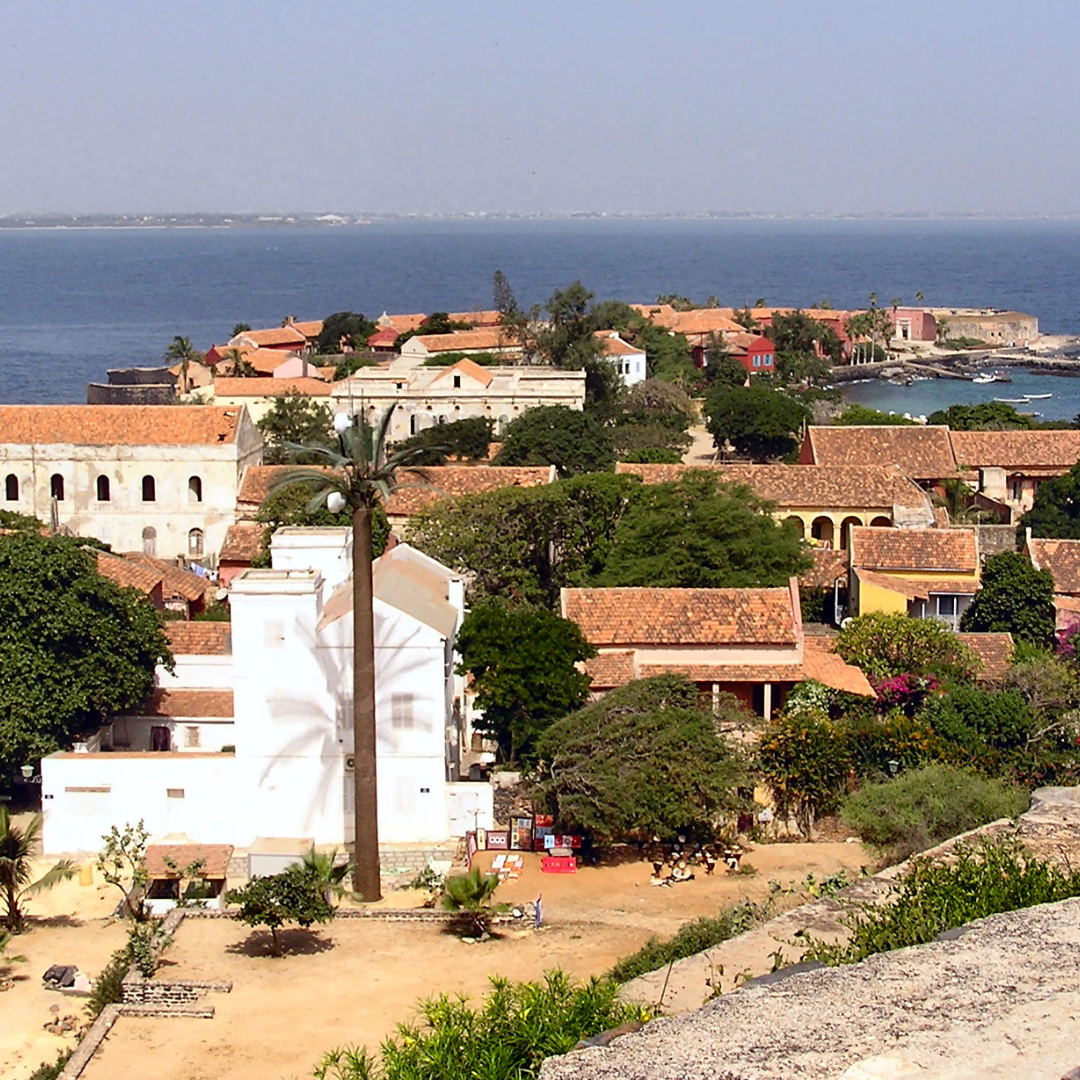
Île de Gorée
A UNESCO World Heritage site with colonial architecture and deep historical significance, ideal for films exploring the transatlantic slave trade or historical dramas.
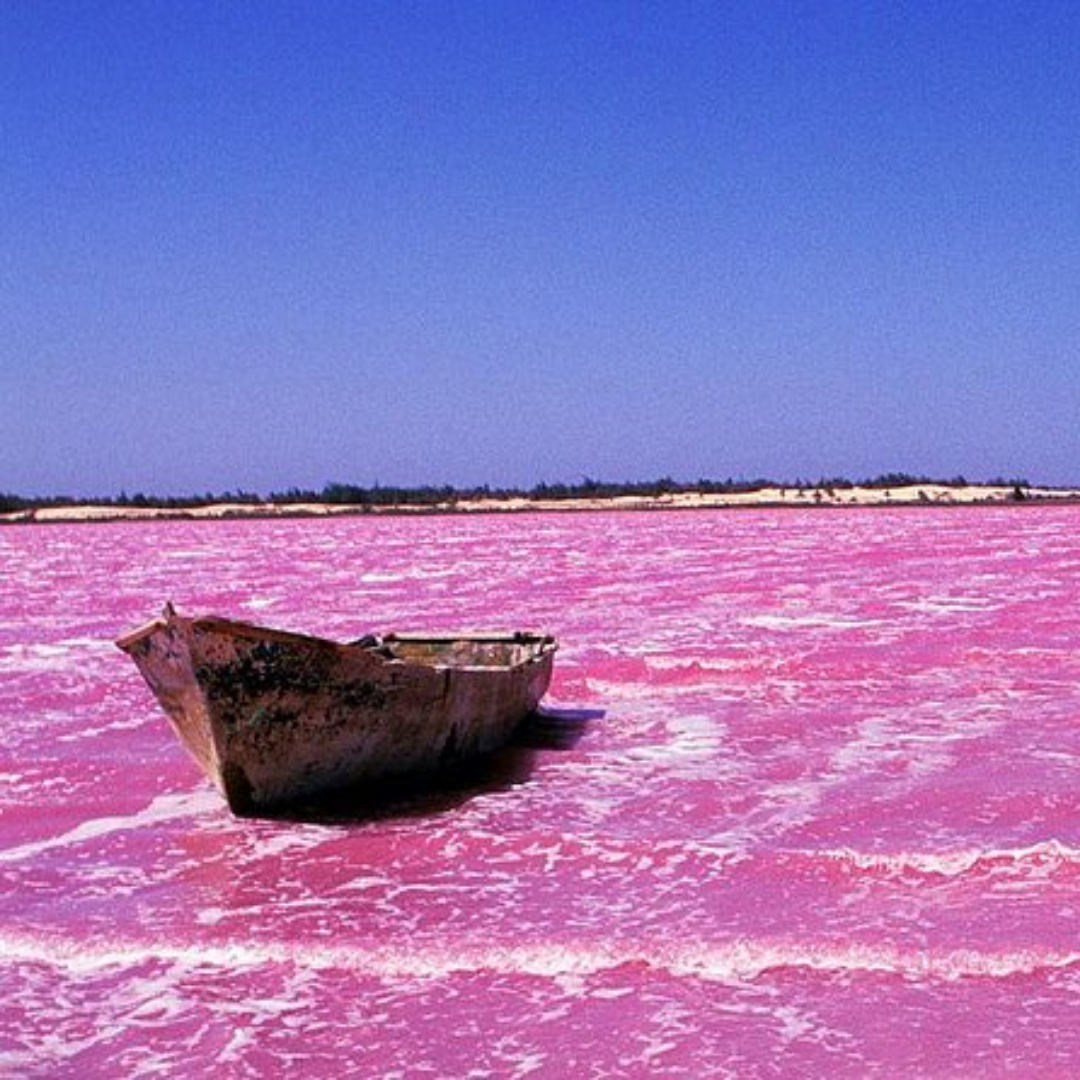
Lac Rose
Known for its unique pink waters, this lake offers a surreal and visually stunning backdrop for films that require an otherworldly or dreamlike setting.
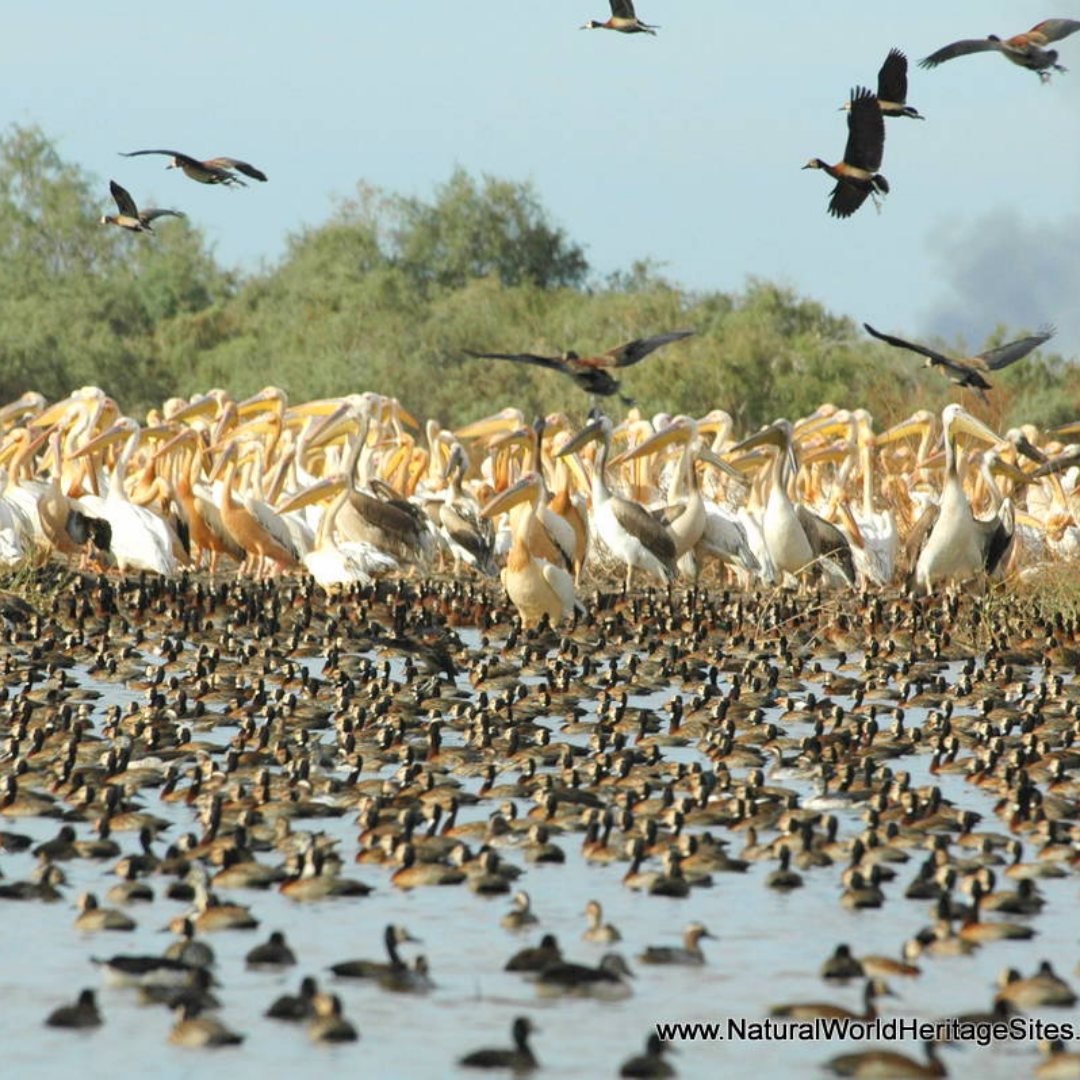
Djoudj National Bird Sanctuary
One of the largest bird reserves in the world, this sanctuary provides breathtaking natural scenes perfect for wildlife documentaries or nature-focused films.
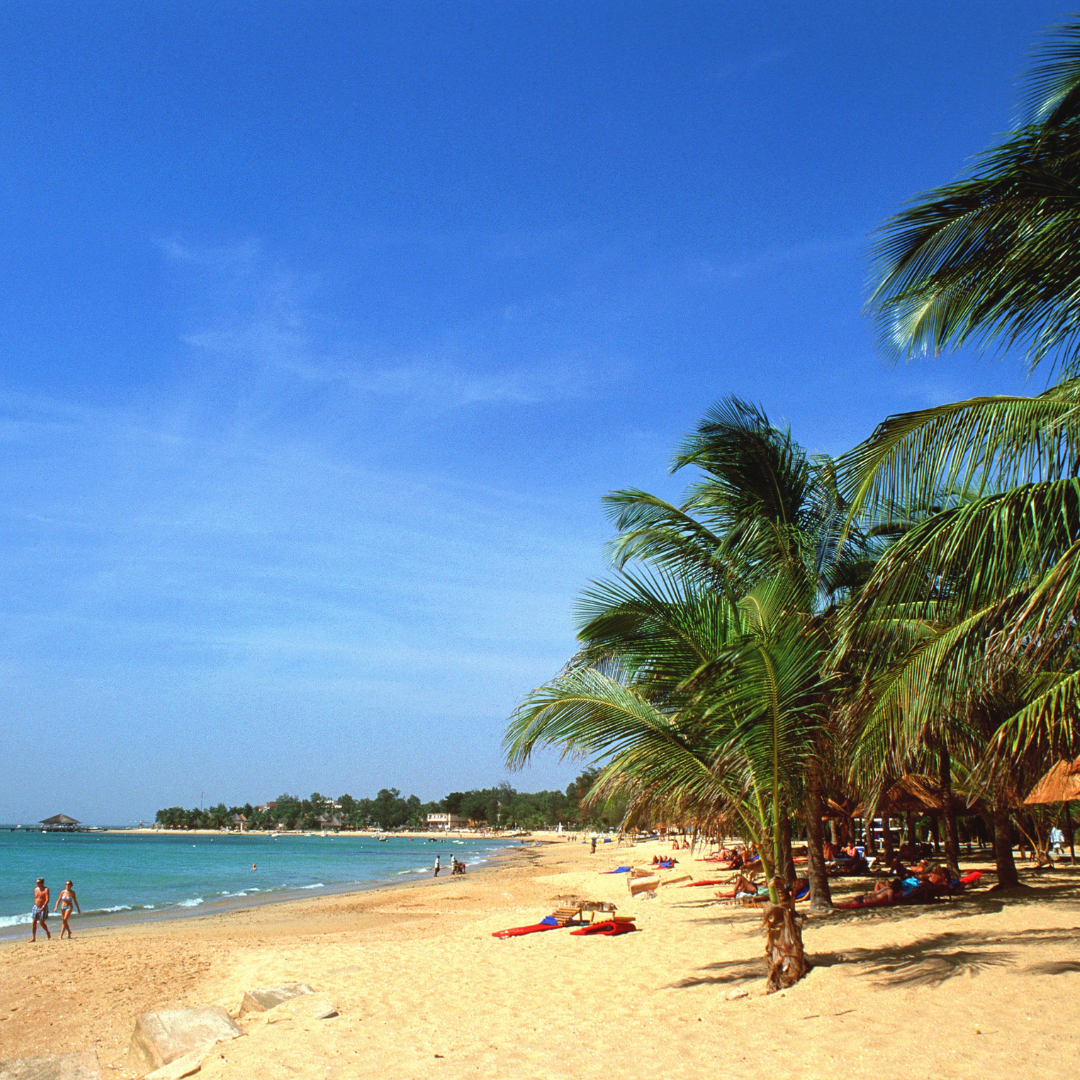
Saly
A resort town with beautiful beaches and luxury settings, ideal for filming scenes set in a coastal paradise or featuring modern tourism.
Sacred Land in Bassari Country
In the southeastern part of Senegal lies Senegambia, or Bassari Country, a region of profound cultural significance. While much of Senegal is predominantly Muslim, the Bassari people, who migrated from Ghana in pre-colonial times, settled in this region and were originally animists before converting to Christianity. Their animistic roots are still evident in their deep connection to the environment, where the land is considered sacred.
The Bassari people are primarily farmers, cultivating vast rice paddies across the landscape. What sets this region apart are the enigmatic stone circles scattered throughout, reminiscent of Stonehenge. While their origins remain a mystery, the Bassari people consider these sites sacred. Notably, even former South African President Nelson Mandela, during his visit to the region in the 1990s, acknowledged their spiritual significance.
Untouched Beauty in a Watery Wilderness
A highlight of Senegal’s film-worthy locations is the Saloum Delta, a natural paradise where three rivers converge and flow into the ocean, forming over 200 small islands. For filmmakers, a three-day sojourn in this UNESCO World Heritage site is a must. Stretching 72 kilometres along the coastline, the delta offers a unique blend of rich biodiversity and an age-old style of human development that has sustained local communities for over 2,000 years.
The Saloum Delta is renowned for its ancient burial sites dating back to 400 B.C., constructed on shellfish mounds crafted by the delta’s inhabitants. These sites have yielded remarkable artefacts, shedding light on the development of human settlements along West Africa’s coast. However, many visitors find themselves so engrossed in the myriad activities that they never reach these archaeological sites.
Starting on Shellfish Island, an entirely man-made island constructed from seashells, every journey into the Saloum Delta explores unique aspects of traditional fishing practices, fish processing, and local efforts to combat climate change. From the fishing village of Djiffer, guided boat tours along the Saloum River offer stops for a seafood lunch in Joal-Fadiouth and opportunities for bird-watching amid the nearby mangrove swamps. Alternatively, adventurous souls can hire a jeep to visit the Fathala Game Reserve, home to antelopes and giraffes.
While the Saloum Delta is a fragile ecosystem, perfect for still photography, wildlife features, and documentaries, it lacks the infrastructure required for full-length movie production.
The Spread of the Negritude Movement Through Music Festivals and An Annual Religious Pilgrimage
Senegal’s rich culture, rooted in the Negritude Movement of the 1930s and 1940s, has spread across the world, celebrating core African values of community, hospitality, and generosity. Recent decades have witnessed renowned festivals such as the Abéne Music Festival, held annually in January, and the Saint-Louis Jazz Festival, carrying forward the Negritude Movement’s legacy.
In October each year, pilgrims from across West Africa converge on the religious capital of Touba to honour Cheik Amadou Bamba, the founder of the Islamic Sufi sect called Baye Fall. This annual religious pilgrimage fosters unity and peace, a particularly crucial endeavour as it has contributed to improved conditions and safety in the Ziguinchor province along the border with The Gambia, which previously faced low-intensity violence and terrorist threats.
For those in Dakar during the Magal Touba, embracing invitations from locals to share traditional communal meals presents a unique opportunity to connect with the spiritual significance of major attractions, such as Gorée Island with The House Of Slaves Museum, the African Renaissance Monument, the Museum of Black Civilization, and the Mosque of The Divinity. These landmarks hold a special appeal for African-American film producers, offering a profound spiritual connection to their ancestors and serving as inspiration for films set in these iconic locations.
Senegal is the perfect place to film your next production – made easier with the expert help of the African Fixer team – contact us now!