Angola
Filming in
Film production in Angola is burgeoning as a vibrant and culturally rich sector, presenting the world with unique stories and talents.
The Future of Filmmaking in Angola
As Angola emerges from its tumultuous past, it stands at the threshold of a cinematic renaissance. The country’s love for the arts and its rich cultural diversity provide fertile ground for captivating storytelling. With experienced cinephiles and a technologically skilled youth, Angola is poised to become a vibrant hub for filmmakers seeking fresh narratives and striking visuals. In a world hungry for new stories and fresh perspectives, Angola beckons as an uncharted frontier of cinematic possibilities. African Fixer is here to help you embark on this exciting journey, ensuring your production in Angola becomes an unforgettable masterpiece. Ready to explore the cinematic treasures of Angola? Contact African Fixer and let’s turn your vision into a cinematic reality.
Capital City
Luanda
languages
Portuguese
Currency
Angolan Kwanza (AOA)
Weather
Rages from Tropical to Temperate
Angola: A Filmmaker's Paradise
Nestled on the west coast of Southern Africa, Angola is not just a land of breathtaking landscapes and captivating history; it’s a hidden gem for filmmakers seeking unique and evocative settings. As the seventh-largest country in Africa, Angola boasts diverse filming locations, ranging from bustling cityscapes to pristine natural wonders.
Future prospects
Angola’s rich history, cultural diversity, and stunning landscapes position it as an emerging player in the international film industry. As the country continues to embrace its post-conflict era and cultural renaissance, it holds significant potential for cinematic storytelling that bridges the past and the future. Collaborating with an experienced Angolan Fixer can greatly simplify logistics when undertaking still photography or film production projects in the country.
Film locations
Angola offers a diverse range of filming locations, from bustling city streets and colonial architecture in Luanda to tropical beaches, deserts, national parks, rivers, and waterfalls. Agricultural settings include coffee, cassava, banana, corn, sweet potato, pineapple, sugarcane, and peanut plantations, while industrial locations cover oil and gas extraction and diamond mining.
Historical Significance
Angola gained independence from Portuguese colonial rule in 1975 after a prolonged anti-colonial struggle. It then became a Marxist-Leninist one-party Republic but soon descended into a devastating civil war, which lasted nearly three decades until 2002. Since then, the country has worked towards stability and economic growth.
stills
Still Photography Production in Angola offers captivating settings for stunning images, blending natural wonders and cultural richness. When planning a still photography project in Angola, consider the need for specialised Still equipment to capture the country’s diverse landscapes. Angola’s unique blend of cultures and landscapes provides an excellent backdrop for Still Photography Crews looking to create visually striking stories.
Cinema
Angola’s cinematic history has been influenced by its colonial past and subsequent exposure to Eastern European films after independence. The modern Angolan film industry is on the cusp of cultural revolution, with a growing desire to tell diverse stories influenced by global cinema.
Economy
Angola boasts vast mineral and petroleum reserves, making it one of the fastest-growing economies globally. However, wealth distribution remains uneven, leading to challenges in improving the standard of living for majority of the population.
culture
Angola’s culture is a fusion of indigenous customs and traditions with Portuguese influence due to centuries of colonisation. The Catholic Church also plays a significant role in the country’s cultural landscape.
Film Infrastructure
Filming in Angola can present logistical challenges, with traffic congestion in Luanda being a primary concern. The country’s film production industry is in its early stages, lacking infrastructure and specialised equipment. Portuguese is the main language, but indigenous languages are spoken in rural areas.
African Fixer: Your Local Partner in Angola
Before we dive into Angola’s cinematic offerings, let’s introduce your key ally: African Fixer. Navigating the complexities of filming in Angola, from traffic snarls to equipment procurement, becomes a breeze with our expert team by your side. We’re here to ensure your production runs seamlessly in this culturally rich and visually stunning country.
Top filming locations
Luanda
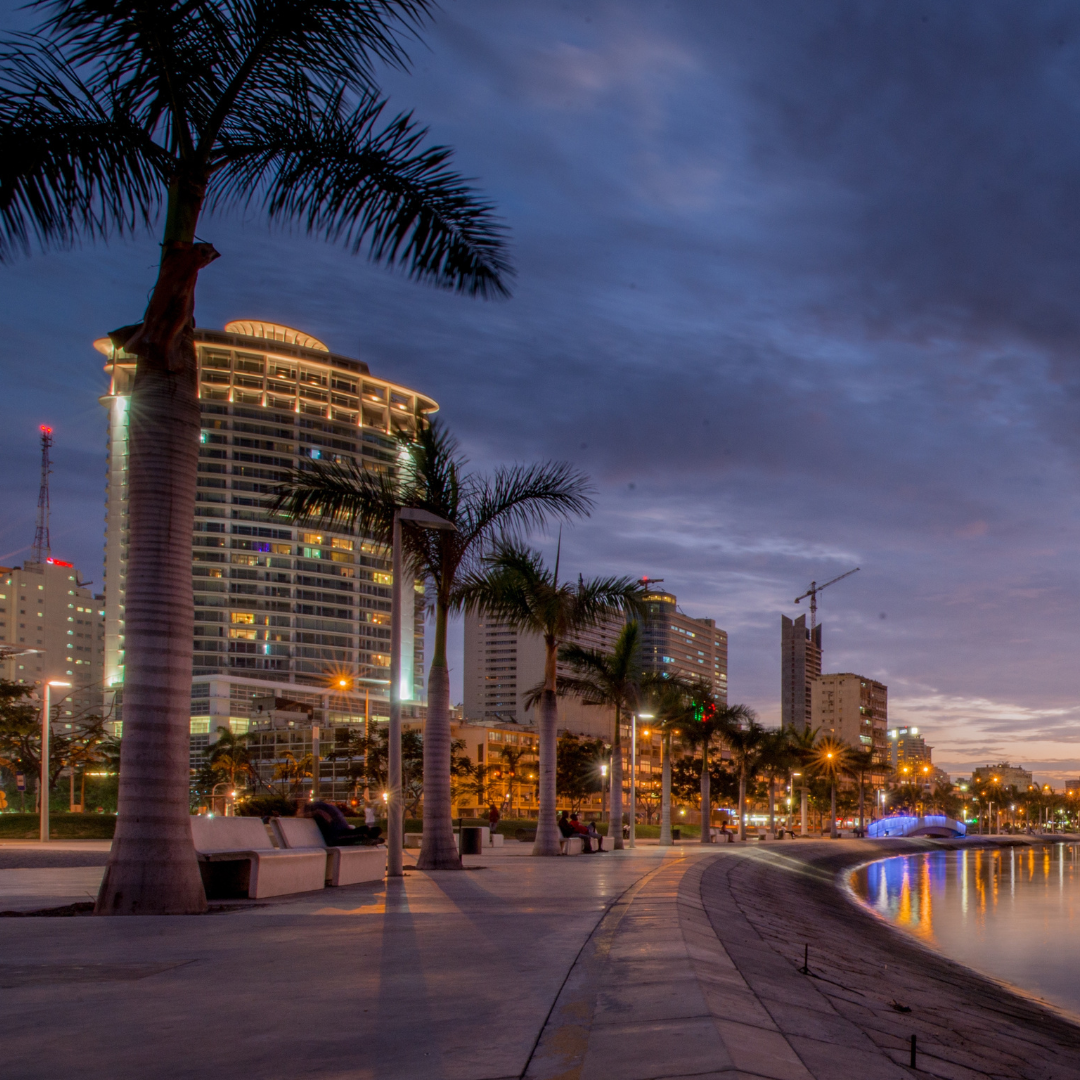
The cosmopolitan capital boasts a mix of urban slums, bustling shipping ports, and modern architectural wonders, including housing developments with a colourful Chinese touch. Don’t miss the Memorial Dr. Antonio Agostinho Neto, a symbol of Angola’s cultural renaissance.
Quiçama Coastal Savannah
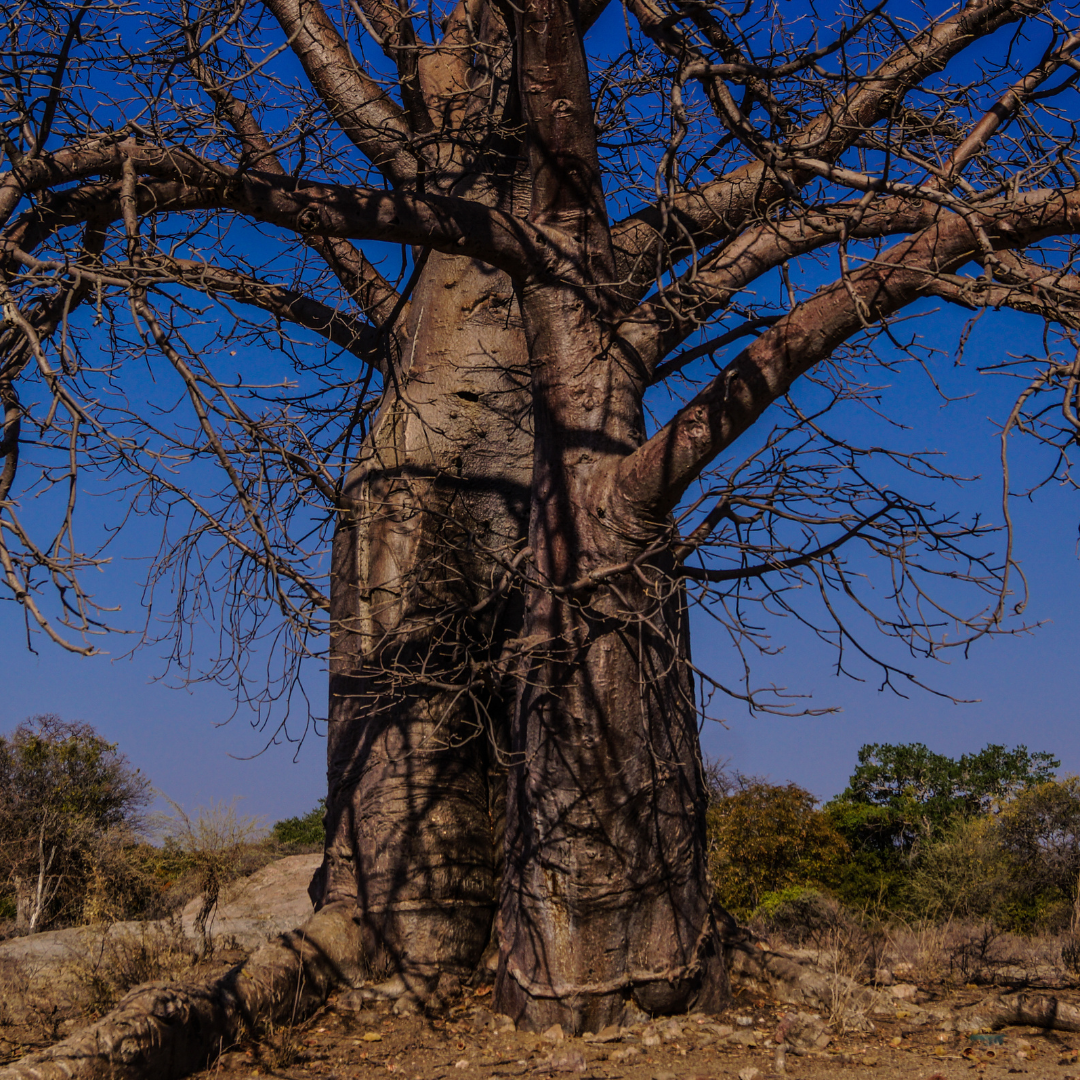
A short journey south from Luanda takes you to this national park, where the landscape transforms into a savannah teeming with baobab trees and majestic wildlife like elephants, giraffes, and zebras.
Miradouro da Lua
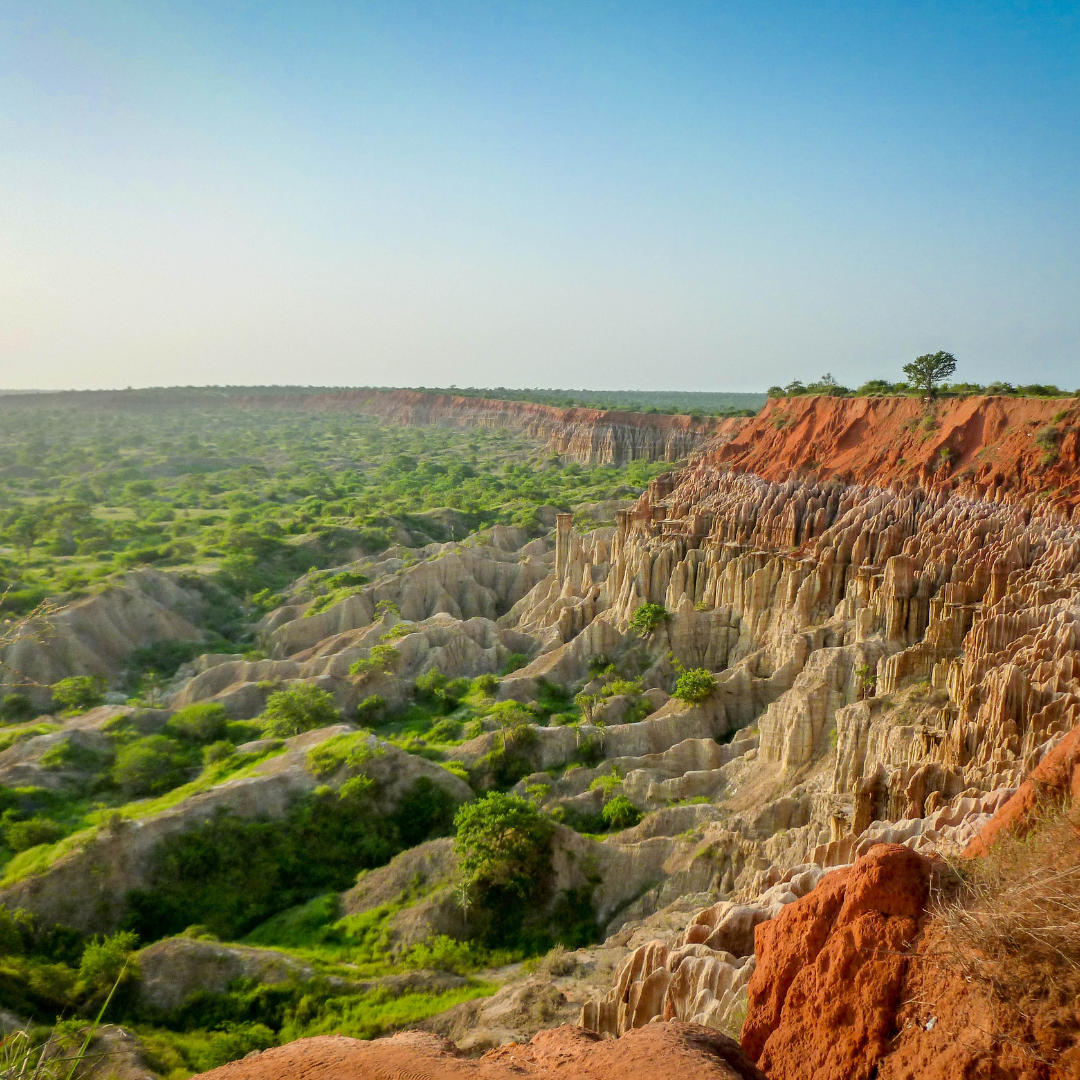
Along the Atlantic coast, this lunar landscape provides an otherworldly setting for your productions.
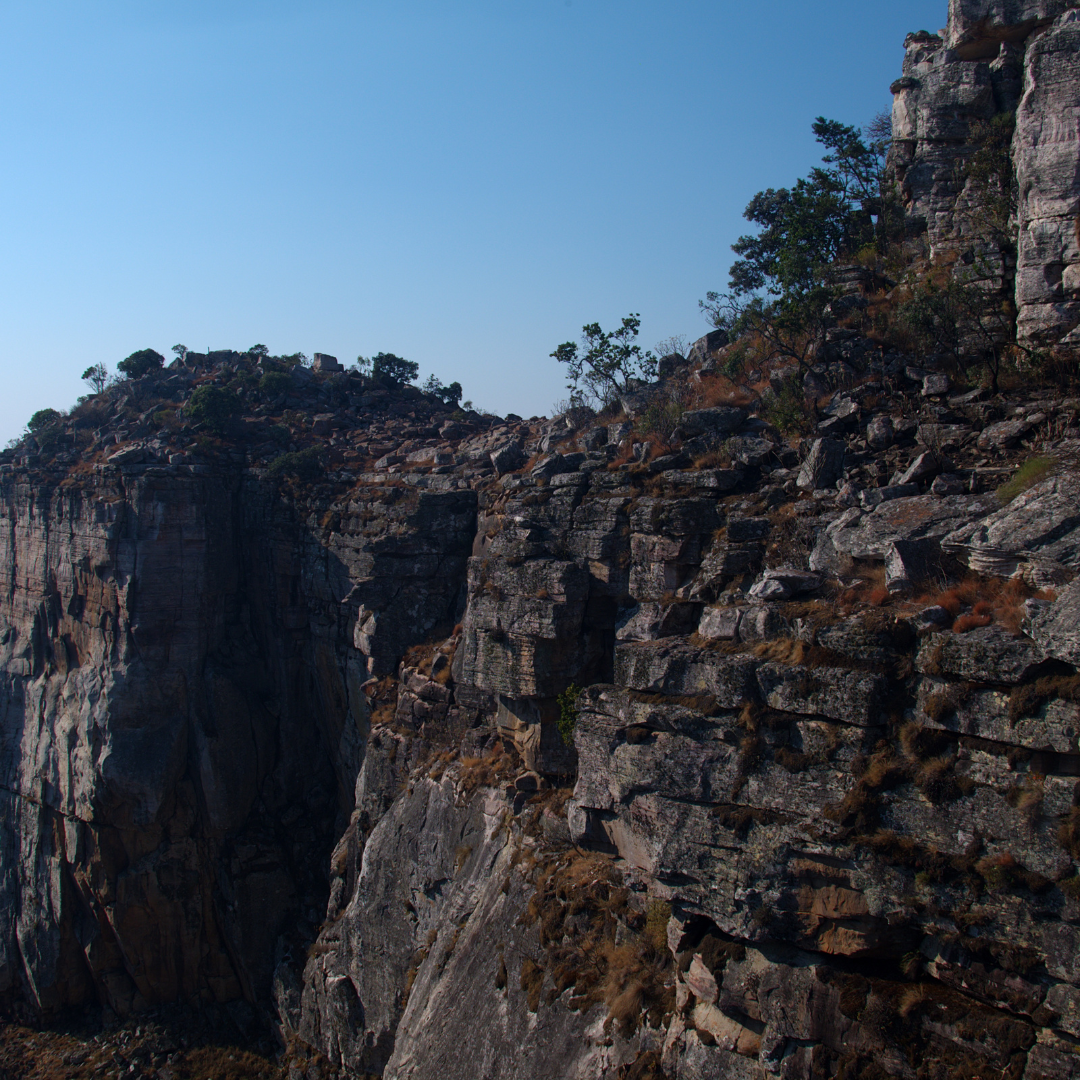
Tunda-Vala
This volcanic fissure offers an outstanding lookout, while Bicauri National Park in the southwest houses buffalo, antelope, and elephants.
Cangandala National Park
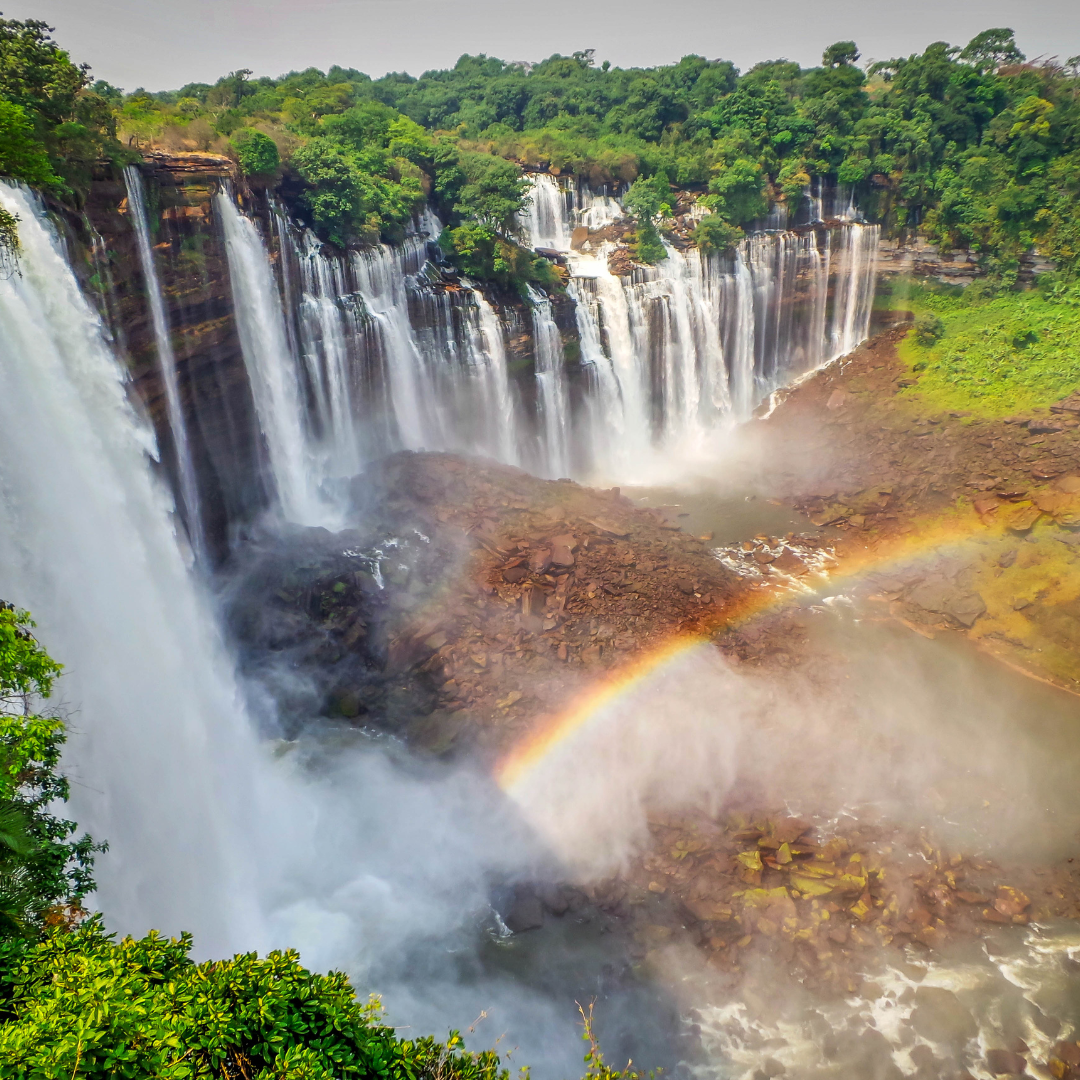
Located in the central region, it’s home to splendid waterfalls and the iconic giant sable antelope.
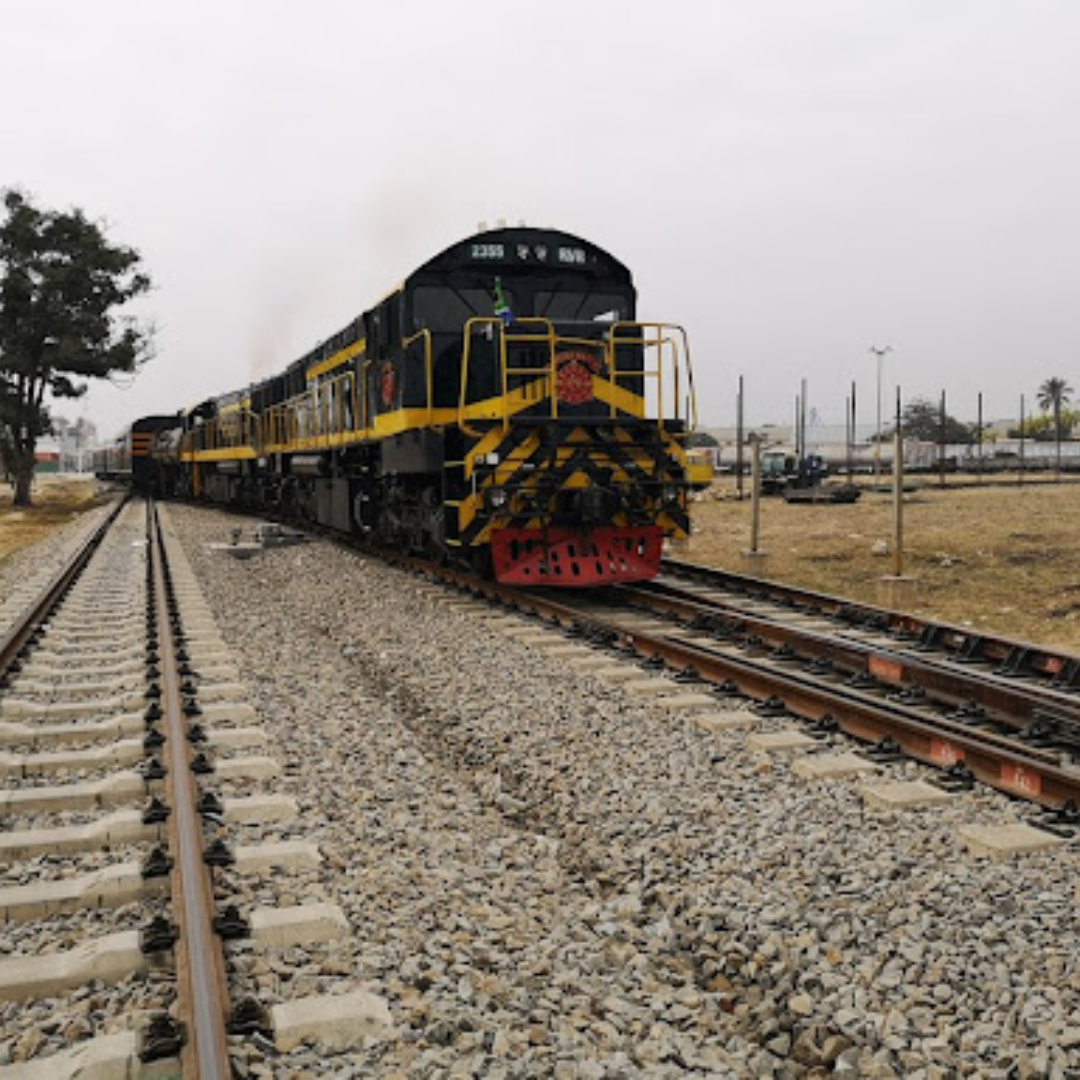
Benguela Railway
The historic railway, running from east to west, begins in the port of Lobito, offering well-preserved Art Deco buildings and colonial architecture.
Natural Wonders
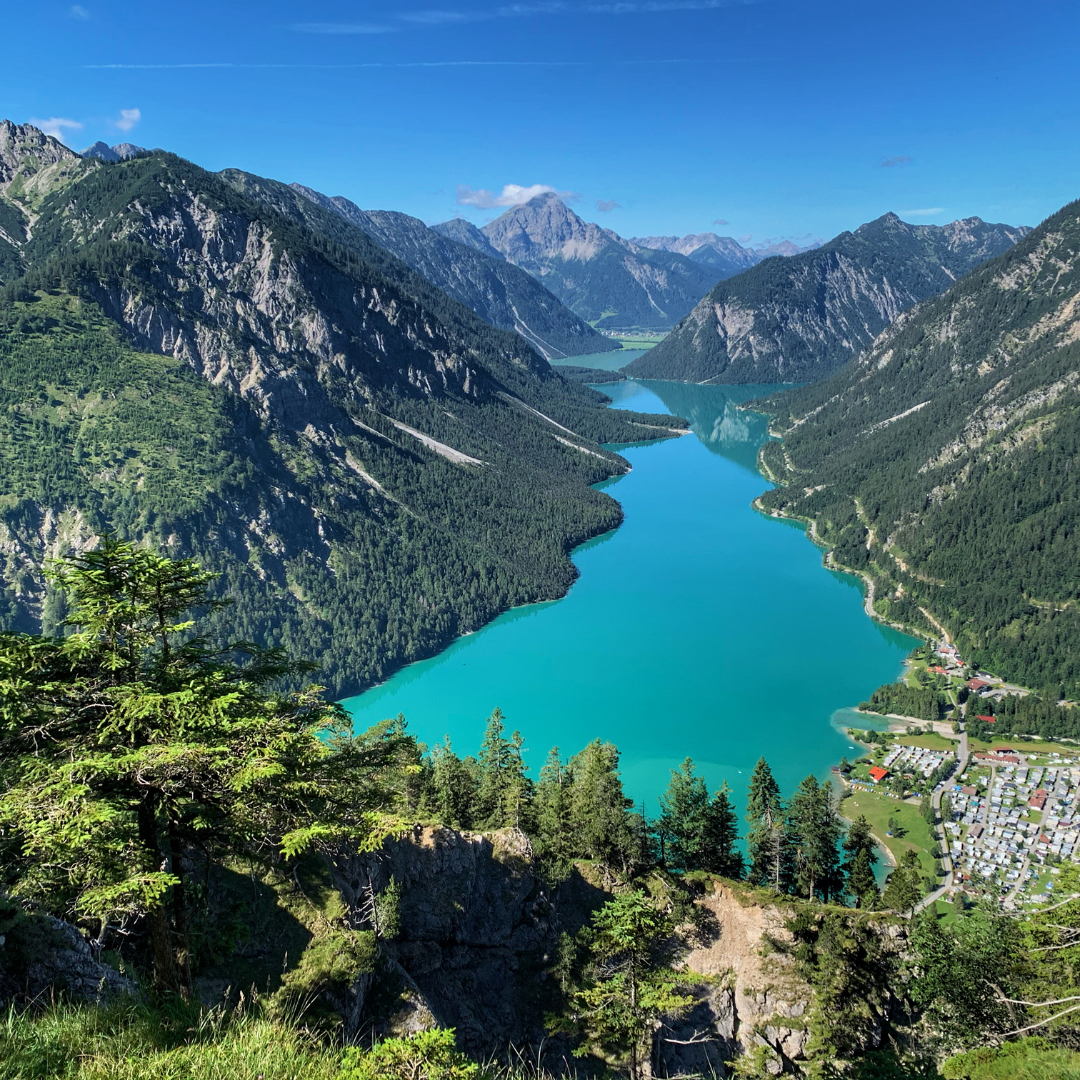
From the stunning beaches of Baia dos Elefantes to the enchanting Serra da Leba mountain pass with its 56 dramatic curves, Angola’s natural wonders are a filmmaker’s dream.
Cultural Gems
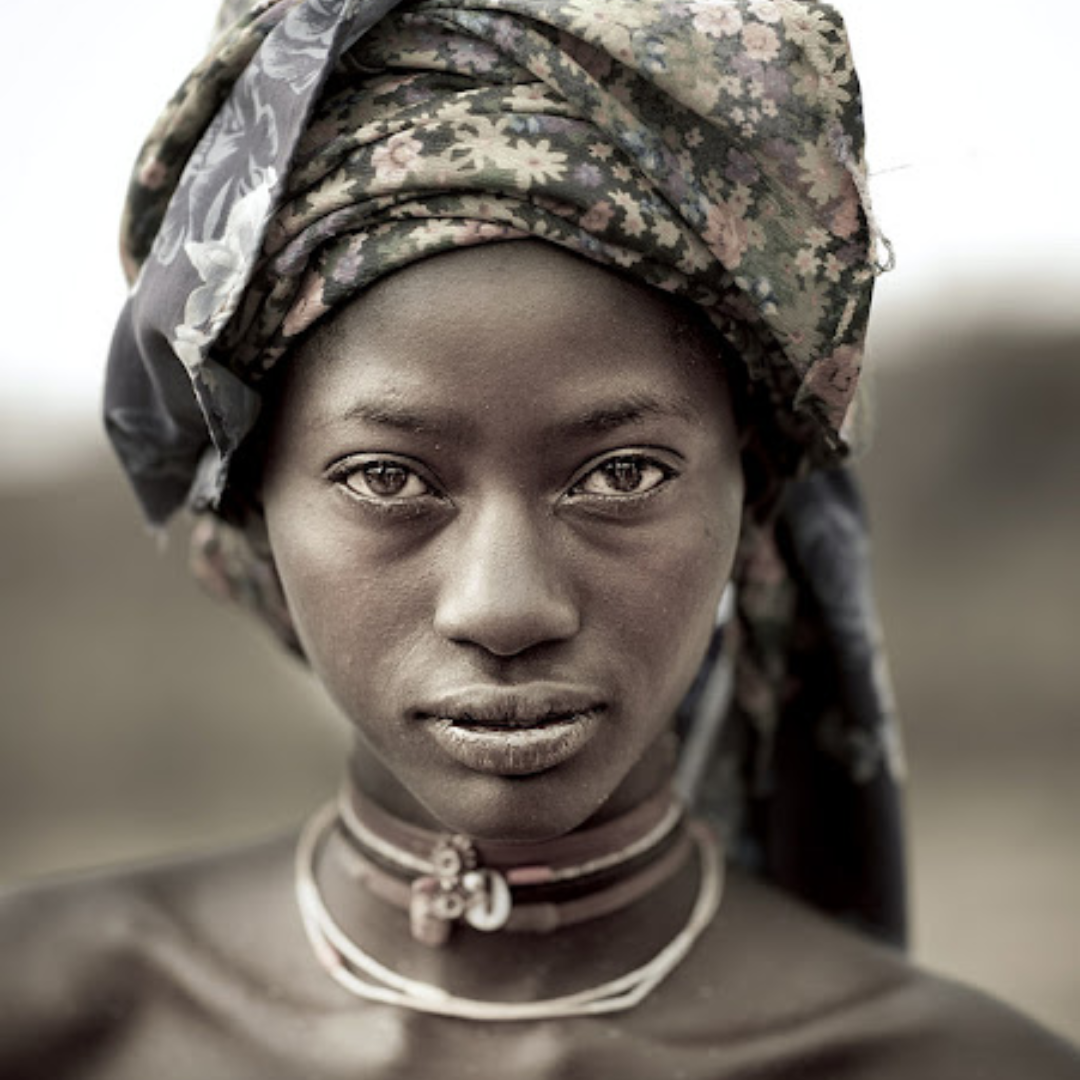
Explore Iona National Park, where indigenous Mucubal and Himba groups reside, or venture to Mupa National Park, known for its wild dogs. Don’t forget to capture the beauty of the Ruacana and Dala waterfalls.