
guinea conakry
Filming in
In the heart of West Africa, Guinea-Conakry stands as a captivating destination for filmmakers eager to explore its resilience and cultural heritage. As you embark on your film production in Guinea, African Fixer offers valuable insight into filming opportunities in this resilient nation. Guinea’s beauty and untold stories await discovery through the lens of filmmakers ready to capture its essence.
Guinea: A Cinematic Canvas of West Africa
In the heart of West Africa lies Guinea, often referred to as Guinea-Conakry to distinguish it from its neighbouring nations. With a tumultuous history marked by independence from French colonial rule in 1958, Guinea has become a captivating destination for filmmakers.
Capital City
Conakry
languages
French
Currency
Guinean Franc (GNF)
Weather
Tropical Climate
Film in guinea conakry
Film Permits
Filming in Guinea requires permits, particularly for public locations. The application process typically involves providing project details, filming dates, crew information, imported equipment lists, and, if applicable, a letter of invitation from a local organisation. The permits are typically issued through government channels.
Film & Crew Equipment
While Guinea may have limited local film equipment resources, arrangements can be made to source necessary equipment. Local crew members, including fixers, cinematographers, and sound operators, are available to support productions. Our local Guinea fixer will ensure everything is organised for the duration of the shoot.
film locations
Guinea offers diverse filming locations. Cape Verga boasts pristine coastal beaches just hours from Conakry. The Isles de Los features picturesque islands with lush palm forests. The Le Voile de La Mariée Waterfall, stunning during the monsoon season, resembles a translucent wedding veil. In the National Park of Upper Niger, discover hippos, chimpanzees, elephants, and manatees in lush landscapes. Mount Nimba, in the south, presents dramatic highland vistas.
Best time to film
The dry season, from December to April, is the optimal time for filming in Guinea. During this period, the weather is more predictable, and the risk of rain and logistical challenges is lower.
Film Incentives
Guinea does not have specific film incentives in place, but its unique locations and stories make it an attractive destination for filmmakers seeking authenticity.
Film Safety
Filming in Guinea comes with certain security considerations, particularly in certain regions. Staying informed about local conditions and working with experienced fixers is crucial for ensuring safety.
Film Costs
Filming costs in Guinea can vary based on the scale of the production and specific requirements. Effective planning and budgeting are essential, and local resources can help optimise costs.
Stills Photography
In addition to its cinematic appeal, Guinea’s diverse landscapes, vibrant cultures, and rich heritage offer a wealth of opportunities for captivating still photography, allowing photographers to capture timeless moments and stunning visual narratives.
Film Infrastructure
Guinea’s film infrastructure is evolving, with ongoing efforts to improve conditions and resources for filmmakers. Collaboration with local authorities and organisations can help leverage available resources for productions.
Top filming locations
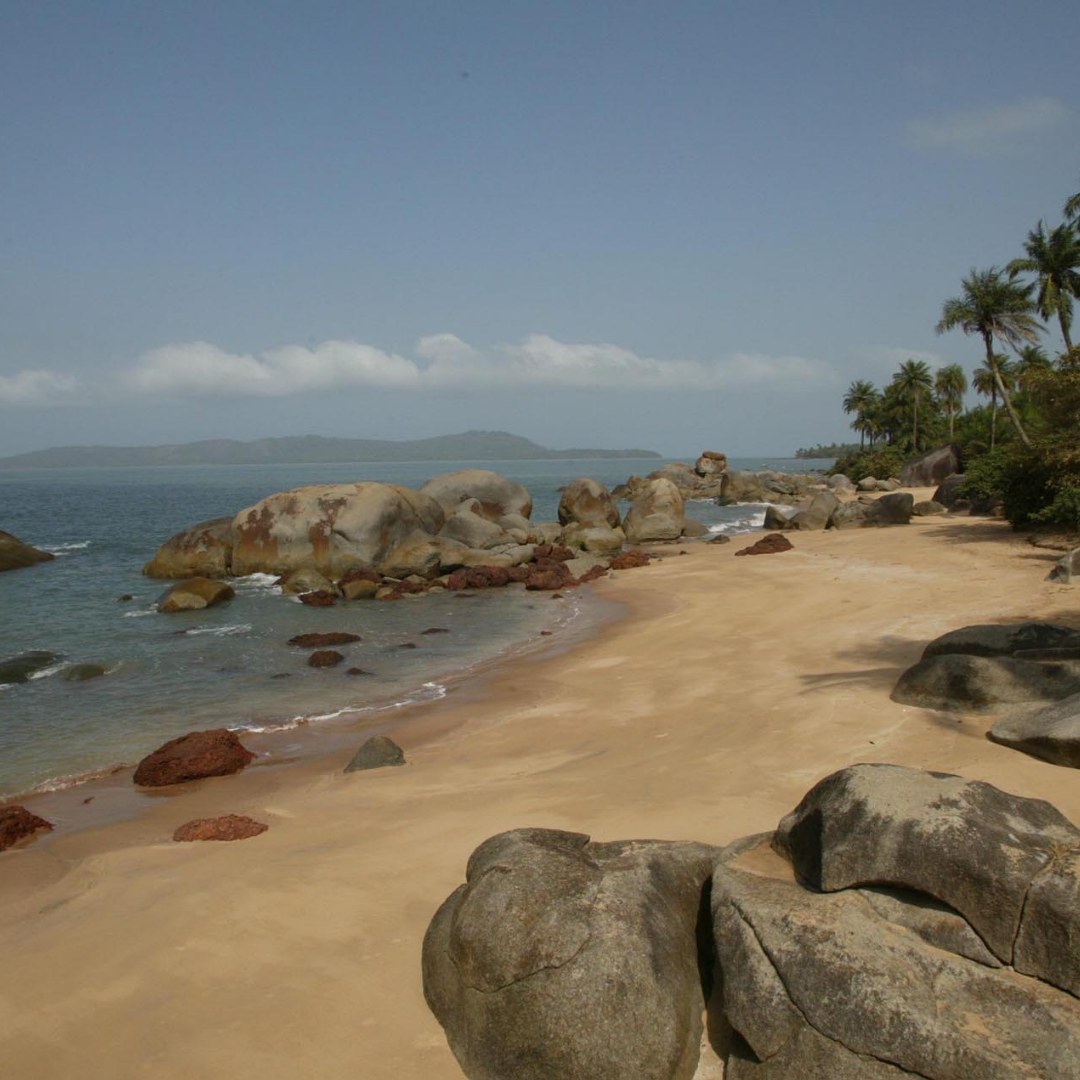
Cape Verga
Just a few hours from Conakry, this coastal gem offers pristine beach locations.
Isles de Los
A group of islands boasting picturesque beaches surrounded by dense palm forests. Be prepared for scenic hikes as no vehicles are allowed on the islands.
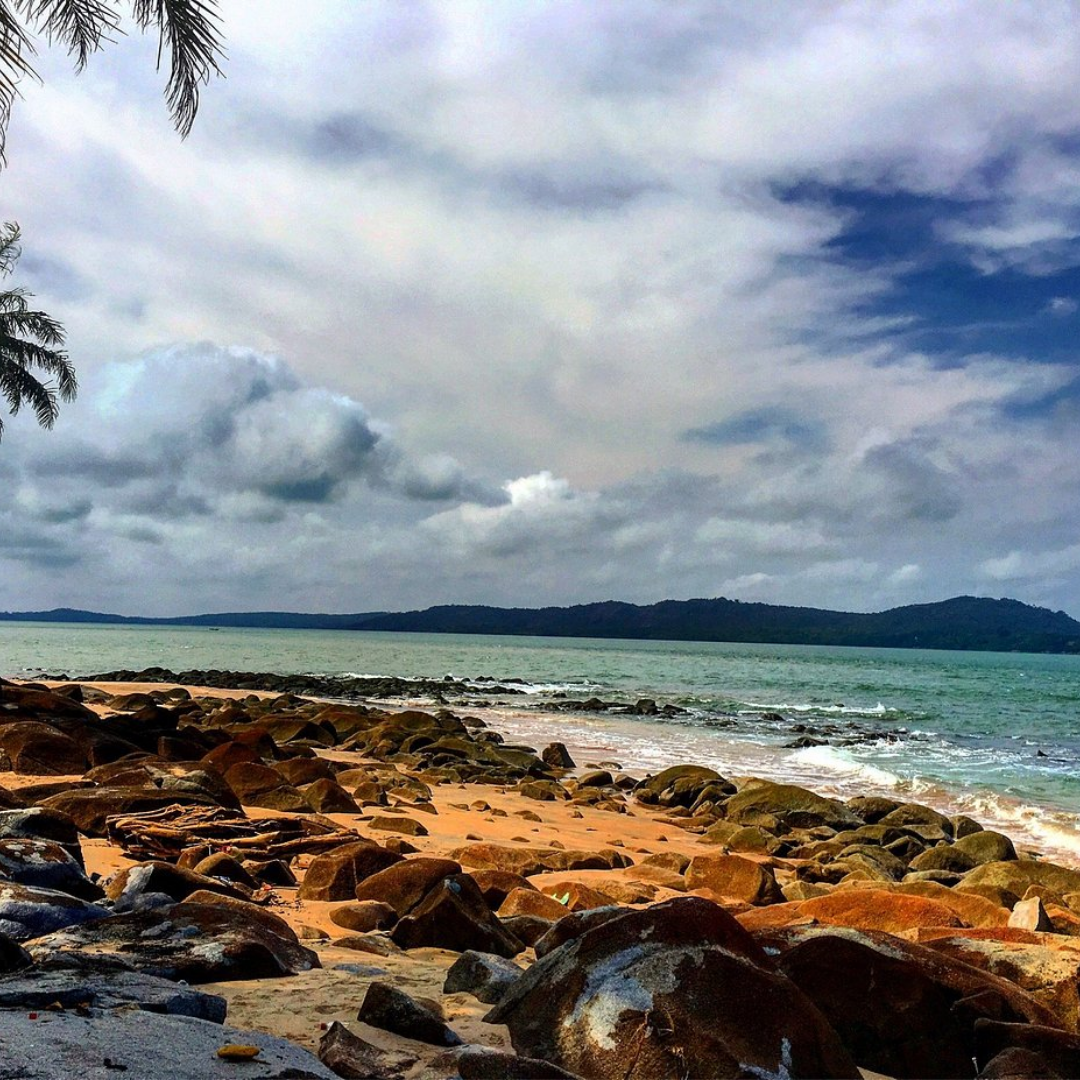
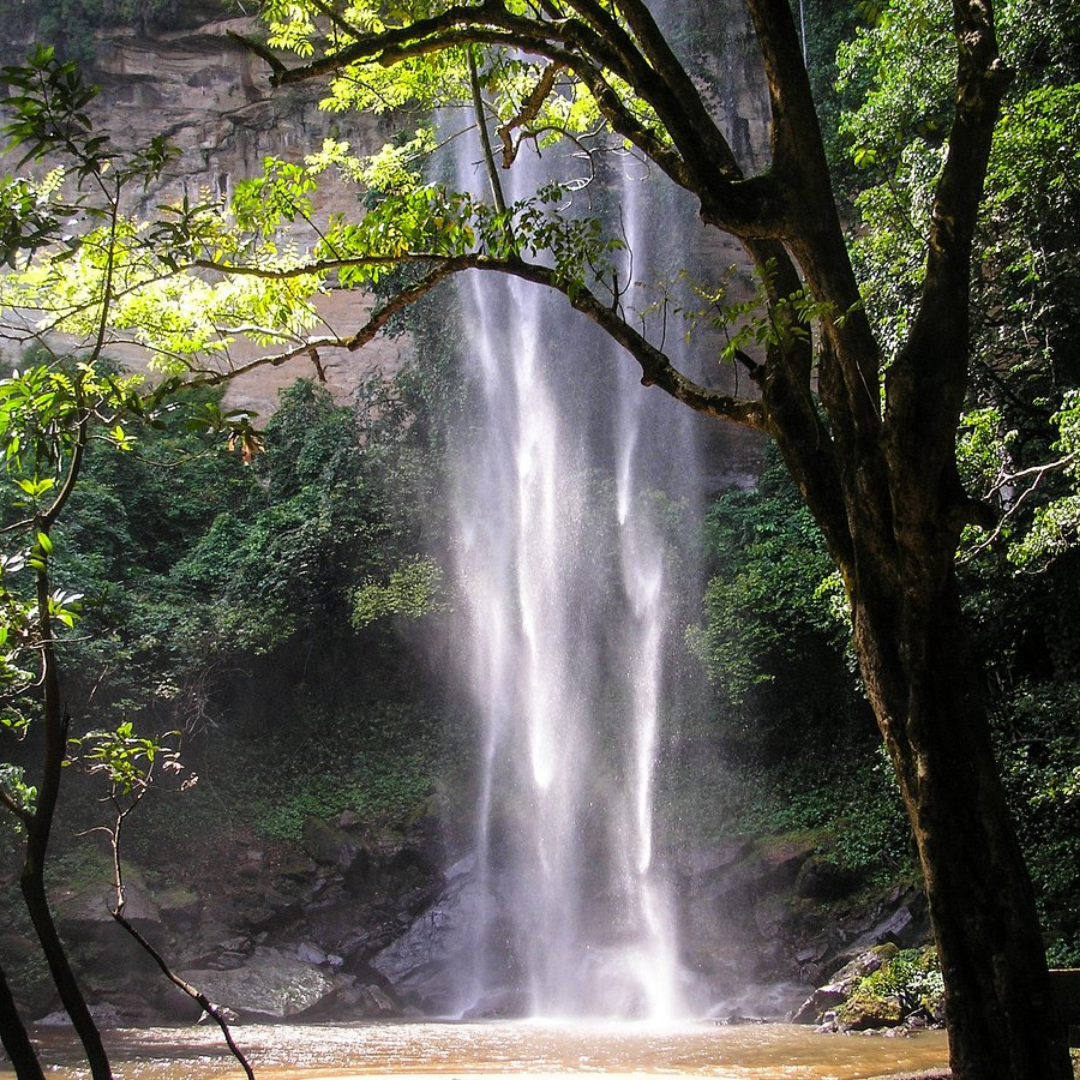
Le Voile de La Mariée Waterfall
Witness the spectacular cascades during the monsoon season, resembling a long, translucent wedding veil, from April to November.
National Park of Upper Niger
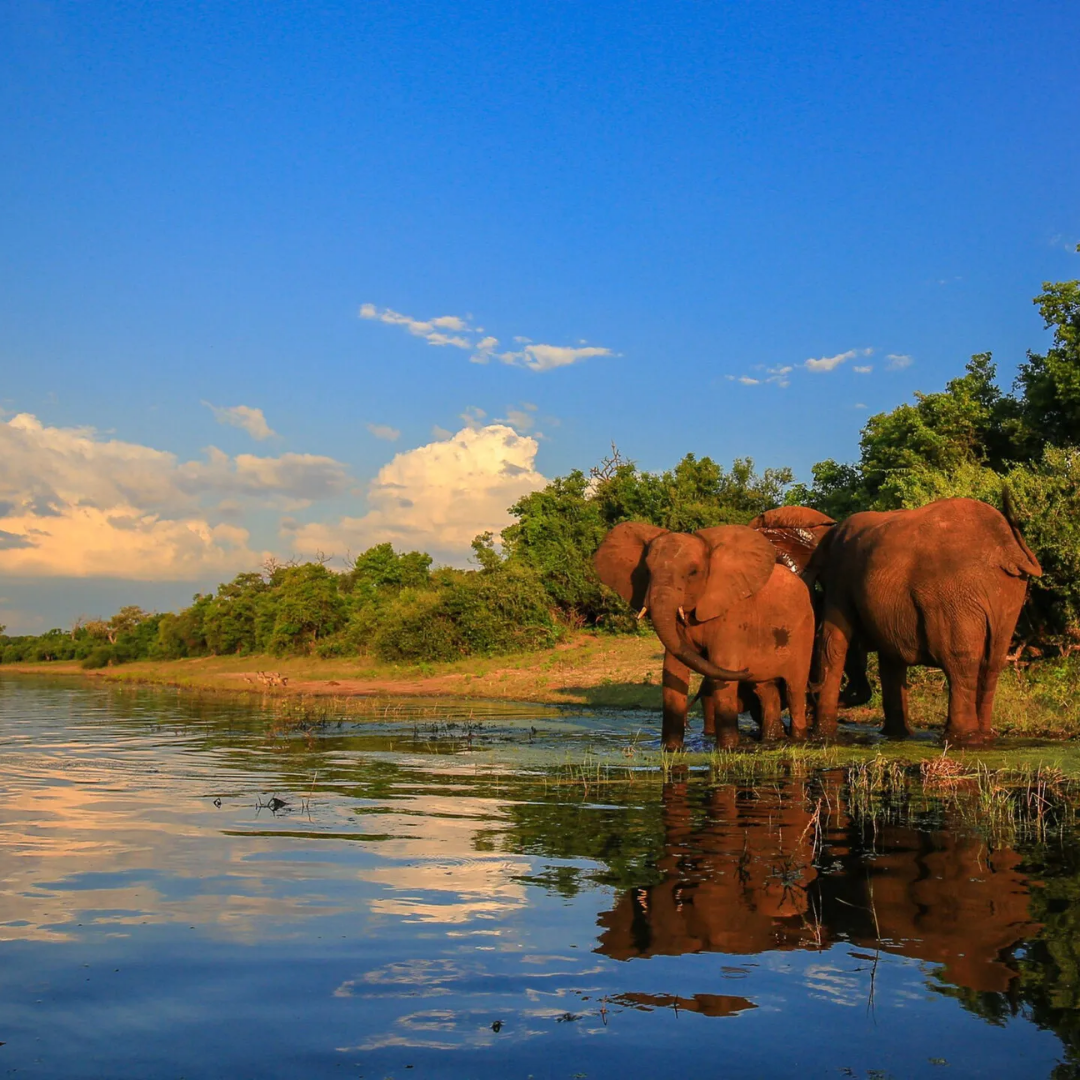
Located in the eastern part of the country, this park is home to hippos, chimpanzees, elephants, and West African manatees. Explore inland forests for a glimpse of elephants in their natural habitat.
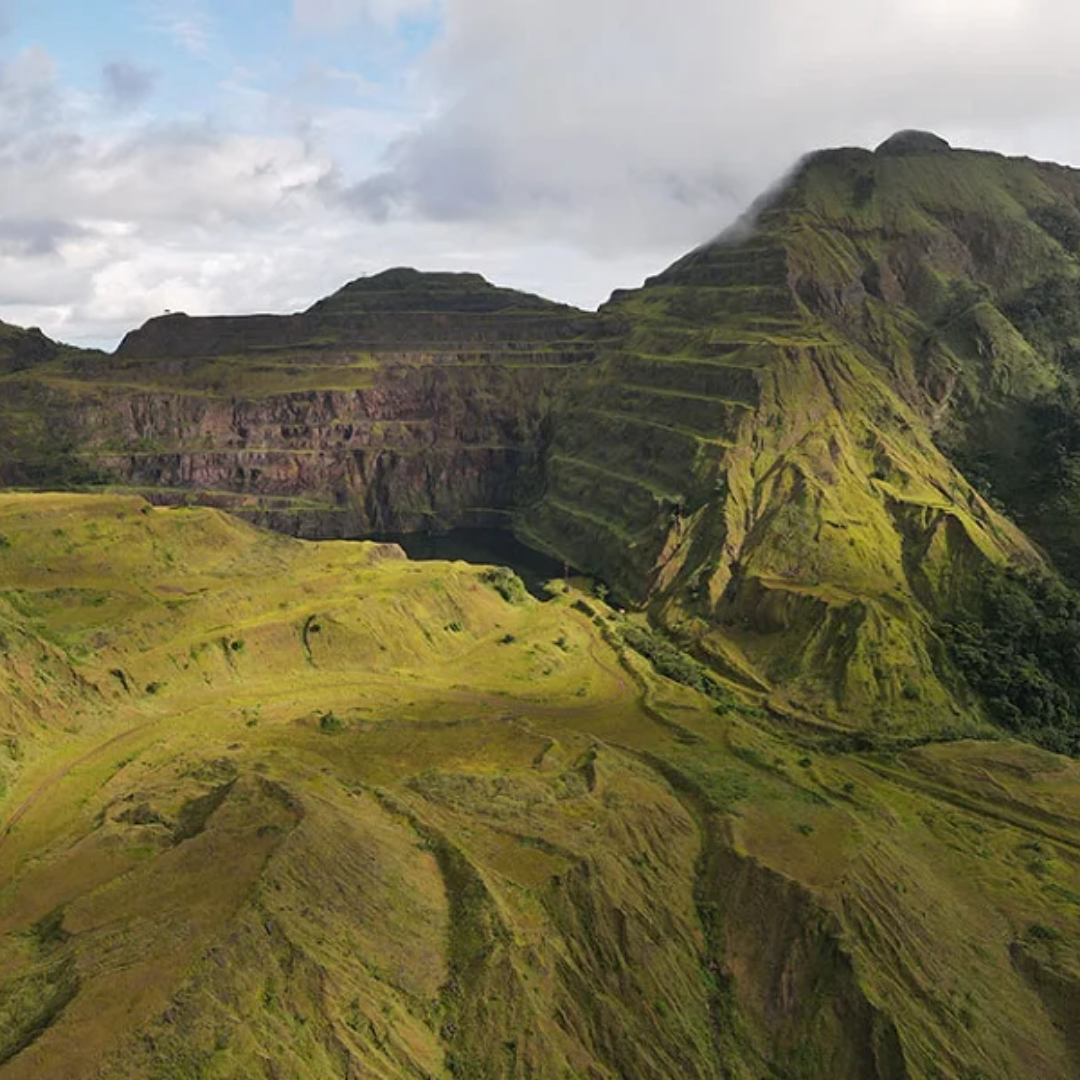
Mount Nimba
In the southern part of the country, this mountain is part of the highlands extending into Ivory Coast and Liberia.
A Pan-African Commitment
Guinea’s journey into the world of cinema started with a commitment to tell stories of Pan-African interest. Despite its potential as one of Africa’s richest countries due to its abundant mineral wealth, Guinea’s people remain among the poorest in the region. However, the country takes pride in preserving its cultural treasures.
Upon gaining independence, Guinea’s government established a Film Production Unit and drafted a National Cinema Policy. This initiative aimed to sensitise audiences across Africa about the political and social lives of states breaking free from colonial rule. These films, steeped in historical significance, remain popular in Guinea and feature prominently in film festivals across the continent.
Telling Pan-African Stories
Guinea’s Film Production Unit didn’t shy away from telling the stories of prominent Pan-African leaders. Notably, a biopic about Kwame Nkrumah of Ghana was created during his time in Guinea after being overthrown, where President Sékou Touré appointed him deputy-president. Another impactful biopic portrayed Amilcar Cabral, the leader of the African Party for Independence of Guinea-Bissau, who was tragically assassinated shortly after the film’s release. Despite suspicions of a connection, Guinean filmmakers remained undeterred in their mission to honour Pan-African leaders on film.
Diversifying the Film Landscape
In recent years, Guinea’s Film Production Unit has expanded its horizons by supporting the production of commercial feature films. Local film directors are trained, and with government support, Guinean filmmakers now produce at least two feature films annually. Additionally, the Television Production Unit has started to flourish, signifying growth in the country’s film industry.