gambia
Filming in
Algeria, a North African treasure, is an emerging hub for filmmakers seeking diverse landscapes and vibrant cultural settings. With the help of our Algerian film fixer, your film production in Algeria will be an experience to remember!
Gambia: From Silence to Cinema
In 2003, Gambian filmmaker Prince Bubacarr Sankanu returned to Banjul after years of working in Europe, driven by the dream of creating a film industry in his homeland. His plans were met with a quiet skepticism. “Film? In Gambia? We only have the river and the ocean to offer,” people would say. Gambia, a small nation known for its peaceful coastline and river, had never been seen as a place for large-scale filmmaking, with few resources to support an emerging film industry. But Sankanu was determined to change that perception. Inspired by the story of Fatou, a fisherwoman who had navigated life on the river with grace and determination, Sankanu began exploring Gambia’s coastal villages and riverbanks, discovering a wealth of stories hidden in plain sight. His vision was to bring Gambia’s quiet strength and beauty to the global stage, using film as his medium.
Capital City
Banjul
languages
English, Mandinka, Wolof, and Fula
Currency
Gambian Dalasi (GMD)
Weather
Tropical Climate
Film in ghambia
Film Permits
A film permit is required to shoot in public spaces in Gambia, taking about two weeks to process at a cost of around $400. Local fixers are essential for navigating permit requirements and ensuring compliance with restrictions, particularly around government buildings. Drone usage also requires a permit, with local operators recommended to handle drones.
Best time to film
The dry season, from November to May, is the ideal time to film in Gambia, with accessible roads and clear weather. The rainy season, from June to October, brings heavy rains that can disrupt filming, especially in rural areas.
film locations
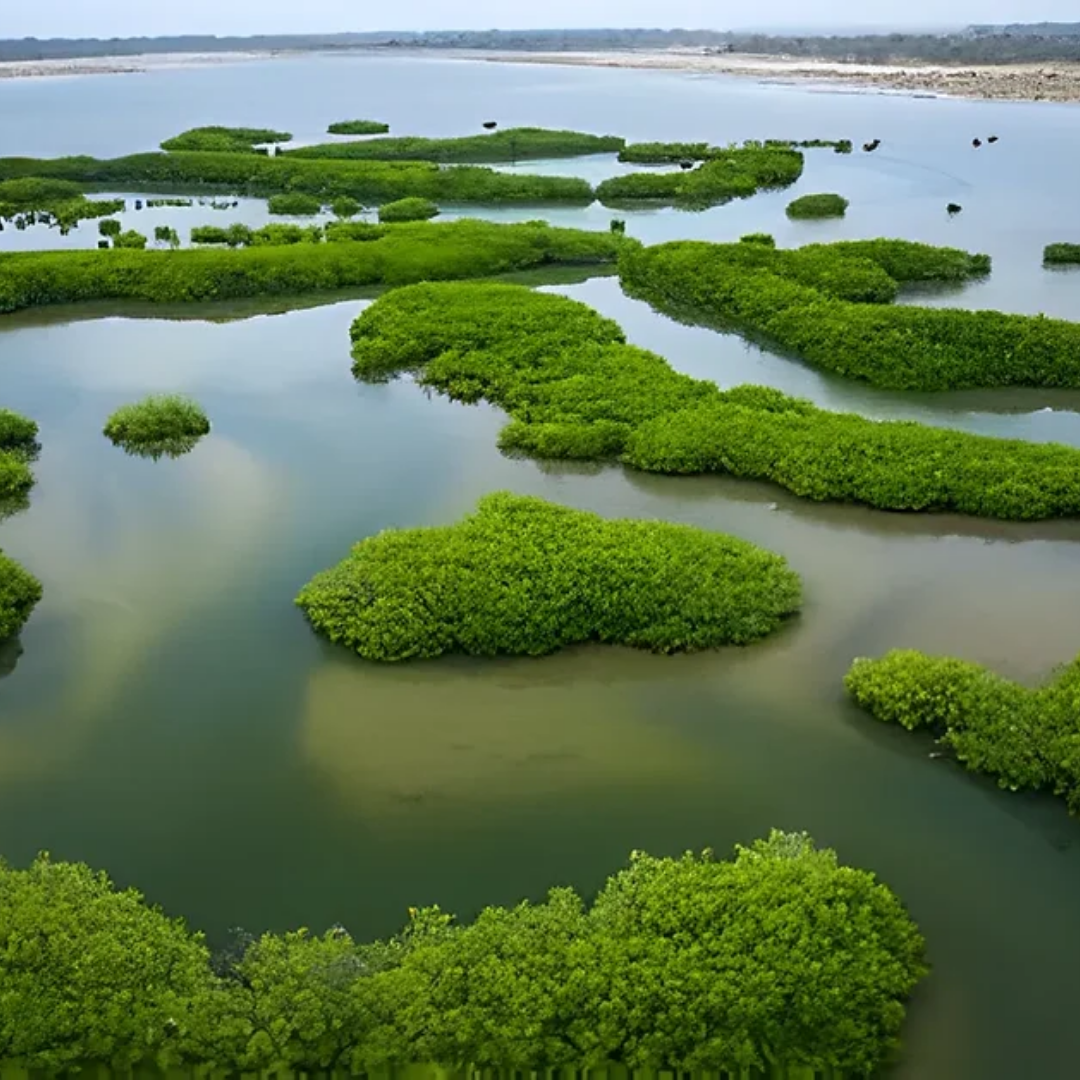
Gambia offers diverse film locations, from the beaches and mangroves along the Atlantic coast to the bustling urban life in Banjul. The River Gambia and its surrounding wetlands provide a rich environment for nature documentaries, while traditional villages and cultural sites offer unique settings for historical and cultural films.
Film Incentives
There are no formal film incentives in Gambia, but its low production costs and unique filming locations make it an attractive destination for international filmmakers.
Film & Crew Equipment
Local film crews are small, and most productions bring in specialized equipment from nearby countries like Senegal. Local talent is emerging, with a focus on directors and camera operators.
Film Safety
Gambia is generally safe for film crews, but local knowledge is important for managing logistics and ensuring smooth operations, especially in remote or traditional areas.
Film Costs
Gambia offers affordable production costs, particularly for small crews. Costs vary depending on the scope of the project and location, with local film fixers helping to manage budgets and logistics.
Community Relations
Respectful engagement with local communities is crucial, particularly in traditional villages. Local film fixers are key to fostering positive relationships and ensuring successful collaborations.
Film Infrastructure
Banjul is the main hub for film infrastructure, with an international airport and basic transport services. Access to more remote areas may require additional logistical support, and local fixers play a critical role in managing these challenges.
Top filming locations
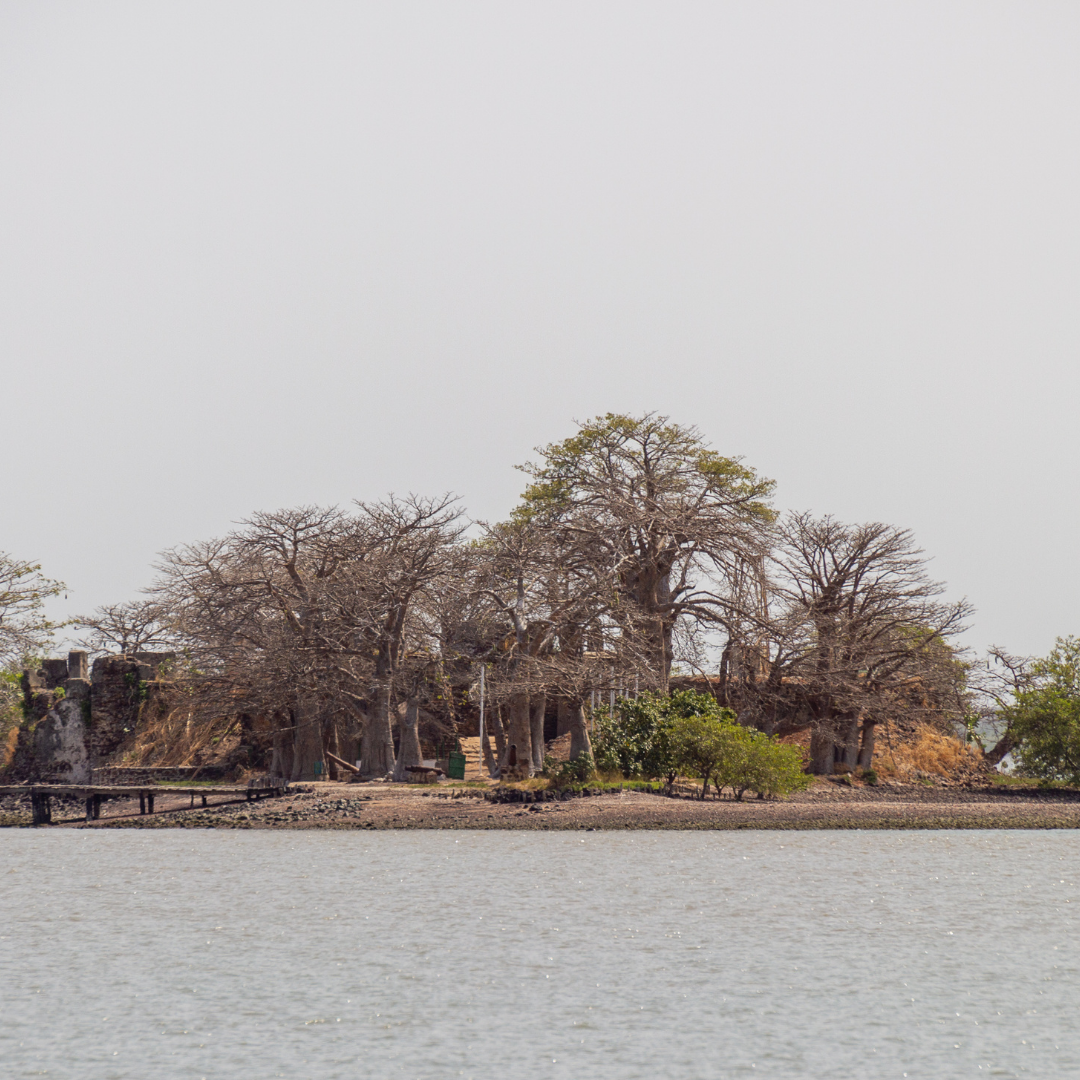
Kunta Kinteh Island
A UNESCO World Heritage site with historical significance related to the transatlantic slave trade, perfect for historical storytelling.
River Gambia National Park
A lush riverside park with chimpanzee populations and diverse wildlife, ideal for nature documentaries.
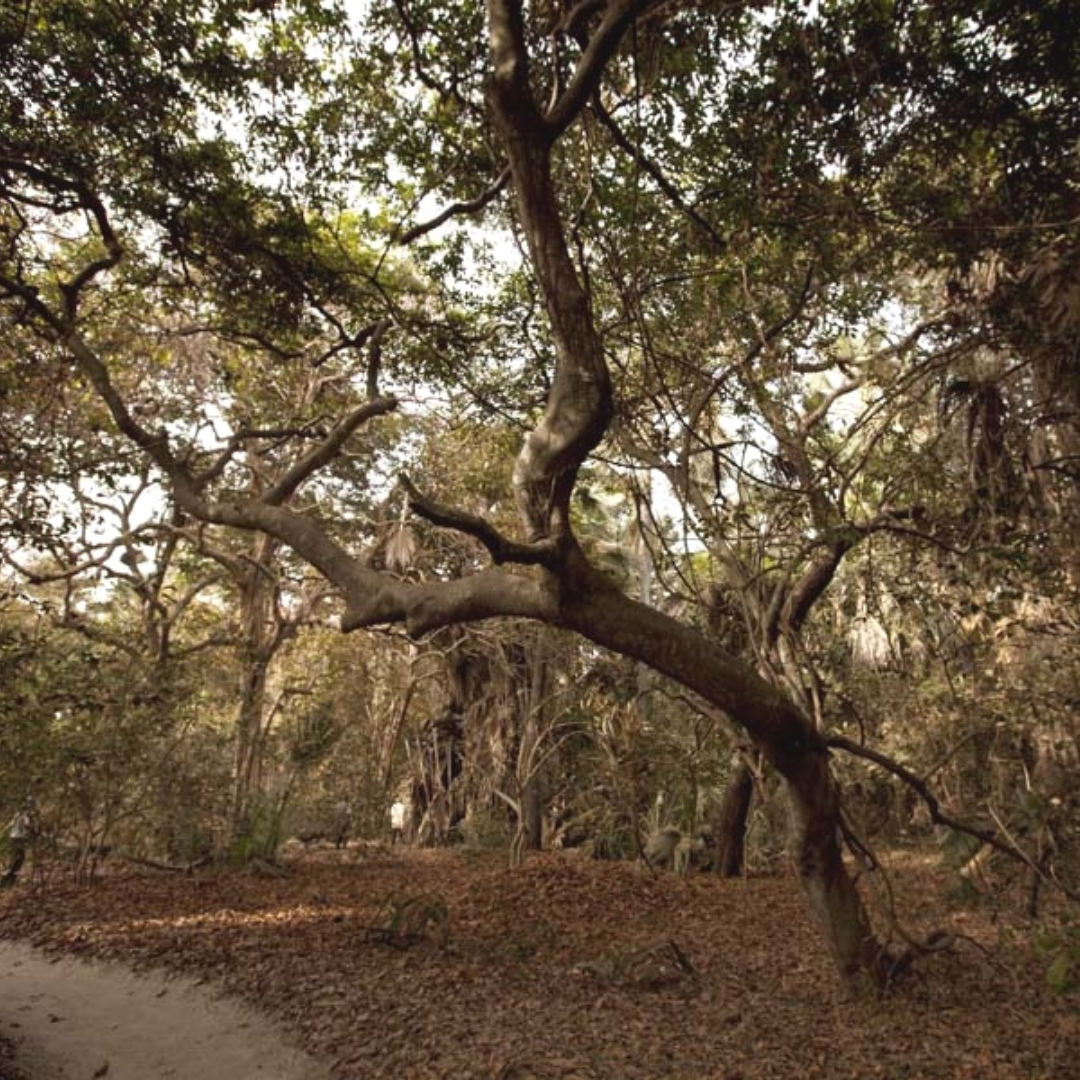
Bijilo Forest Park
A coastal nature reserve with a serene setting for eco-tourism or conservation-themed films.
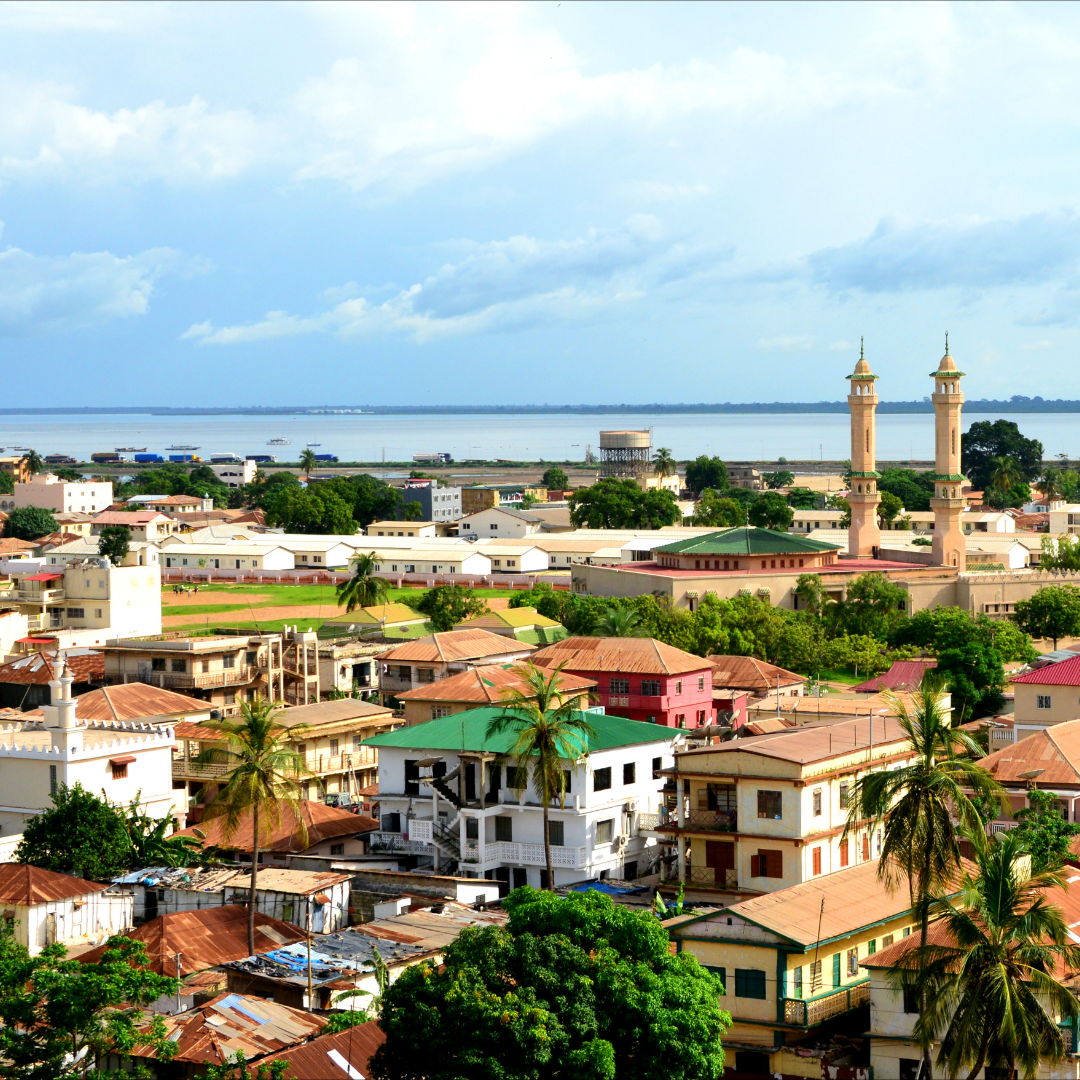
Banjul
The capital offers vibrant markets, colonial architecture, and a bustling atmosphere for urban shoots.