dijbouti
Filming in
Algeria, a North African treasure, is an emerging hub for filmmakers seeking diverse landscapes and vibrant cultural settings. With the help of our Algerian film fixer, your film production in Algeria will be an experience to remember!
Djibouti: Cinema Amidst the Desert Winds
In 2005, Djiboutian director Ahmed Said Abdillahi returned to his home country after studying film abroad, driven by a desire to shine a spotlight on the unique landscapes and stories of Djibouti. His announcement of wanting to create films in the harsh, arid environment of his homeland was met with raised eyebrows. "Why film here? There’s only sand and heat," people remarked. Djibouti, long a crossroads of cultures due to its strategic position, had never been considered a place for cinema, with its blistering deserts and rugged coastline seemingly unsuitable for filmmaking. But Ahmed saw something different—a land of untold stories. Inspired by the strength of Amina, a nomadic woman who persevered in the face of relentless droughts, Ahmed began filming in the desert, determined to show the world the stark beauty and resilience of his people.
Capital City
Algiers
languages
Arabic & Berber
Currency
Algerian Dinar (DZD)
Weather
Rages from Mediterranean to Arid
Film in dijbouti
Film Permits
A film permit is required for public locations in Djibouti, costing around $500 and taking up to three weeks to obtain. Working with local film fixers is essential to navigate sensitive areas such as military zones and ports. A permit is also needed for drone use, and hiring local drone operators is highly recommended.
Best time to film
The cooler months from November to March are the best time for filming in Djibouti, as temperatures are more manageable. From May to September, extreme heat can make filming challenging, especially in desert locations.
film locations
Djibouti offers dramatic landscapes, from the salt-encrusted Lake Assal and the alien-like geothermal fields of Lac Abhé to the rugged coastline of the Gulf of Tadjoura and the vast stretches of the Grand Bara Desert. Its desert landscapes are ideal for adventure and science fiction films, while the capital, Djibouti City, provides urban contrasts.
Film Incentives
here are no official film incentives in Djibouti, but its breathtaking landscapes and untapped locations provide a unique appeal for international productions.
Film & Crew Equipment
Djibouti has a small pool of local film professionals. Most specialized equipment and larger crews are brought in from nearby countries such as Ethiopia or Kenya.
Film Safety
Djibouti is a relatively safe country for filming, but some areas, particularly near the border regions, may require additional security and local knowledge. Working with experienced local fixers ensures a smooth and safe production.
Film Costs
Costs vary depending on the location and the size of the production, with more remote desert locations typically requiring higher logistics expenses. Djibouti fixers can help with budgeting.
Community Relations
Building positive relationships with local communities is important, especially in rural and traditional areas. Local fixers play a vital role in ensuring respectful and productive interactions.
Film Infrastructure
Djibouti City is the main hub for film infrastructure, with an international airport and basic transport services. Fixers are critical in coordinating logistics, accommodations, and equipment transport in this region.
Top filming locations
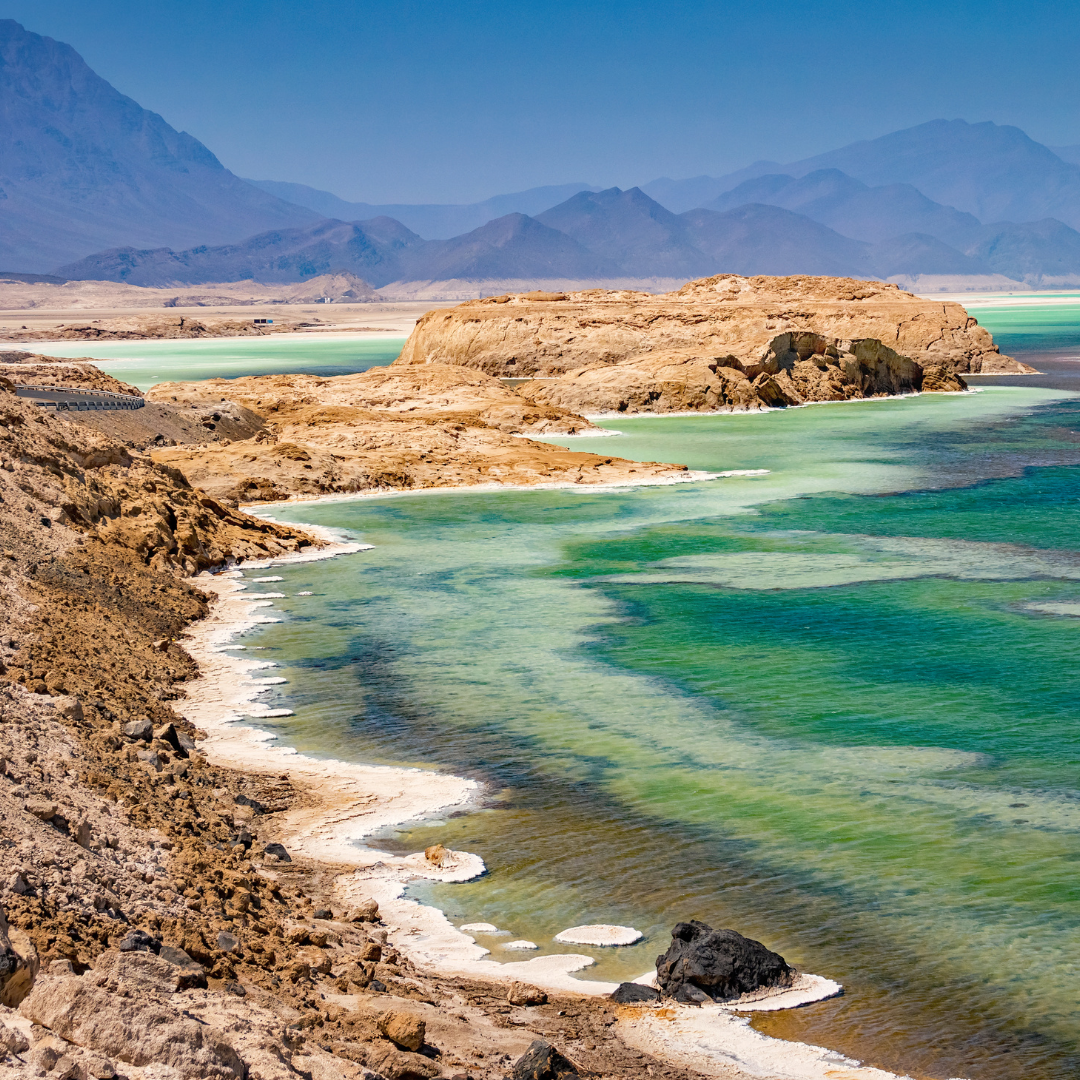
Lake Assal
One of the lowest and saltiest lakes in the world, with a stark and alien-like landscape, great for otherworldly productions.
Tadjoura Gulf
Crystal-clear waters and coral reefs, perfect for underwater filming or coastal adventure scenes.
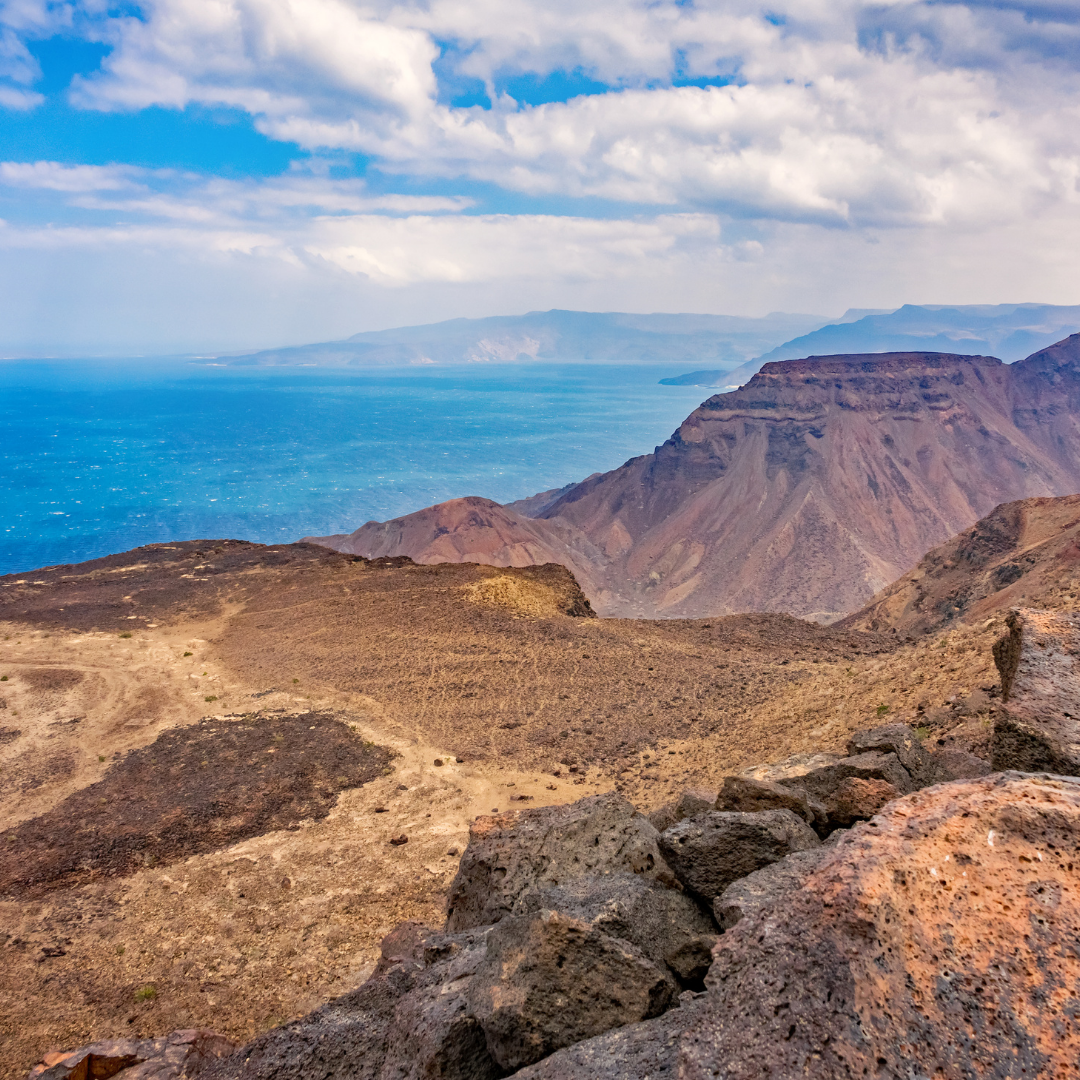
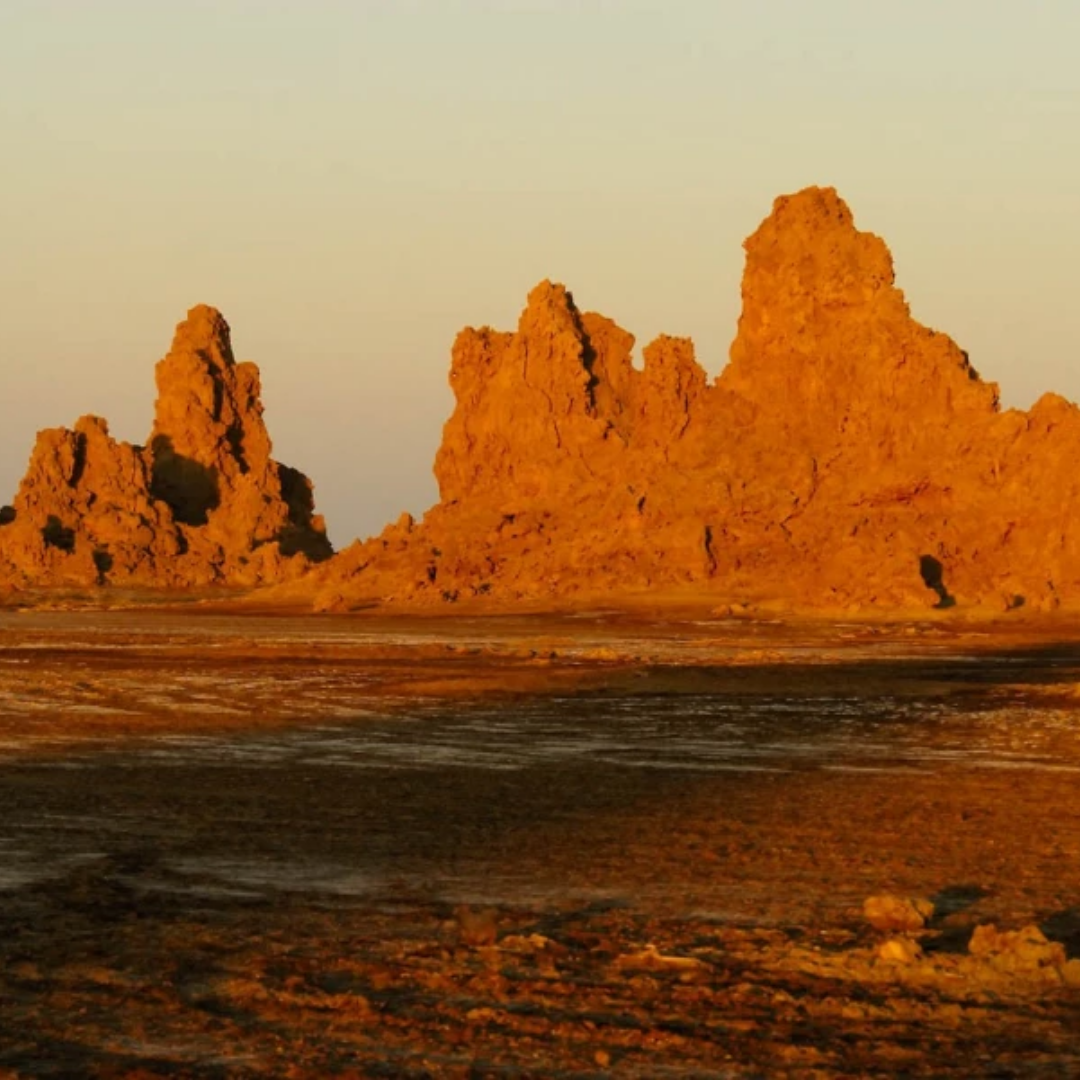
Grand Bara Desert
A vast, flat desert with endless horizons, ideal for dramatic desert scenes or survival narratives.
Day Forest National Park
A rare green forest amidst desert landscapes, offering unique ecological diversity for filming.